Agbede
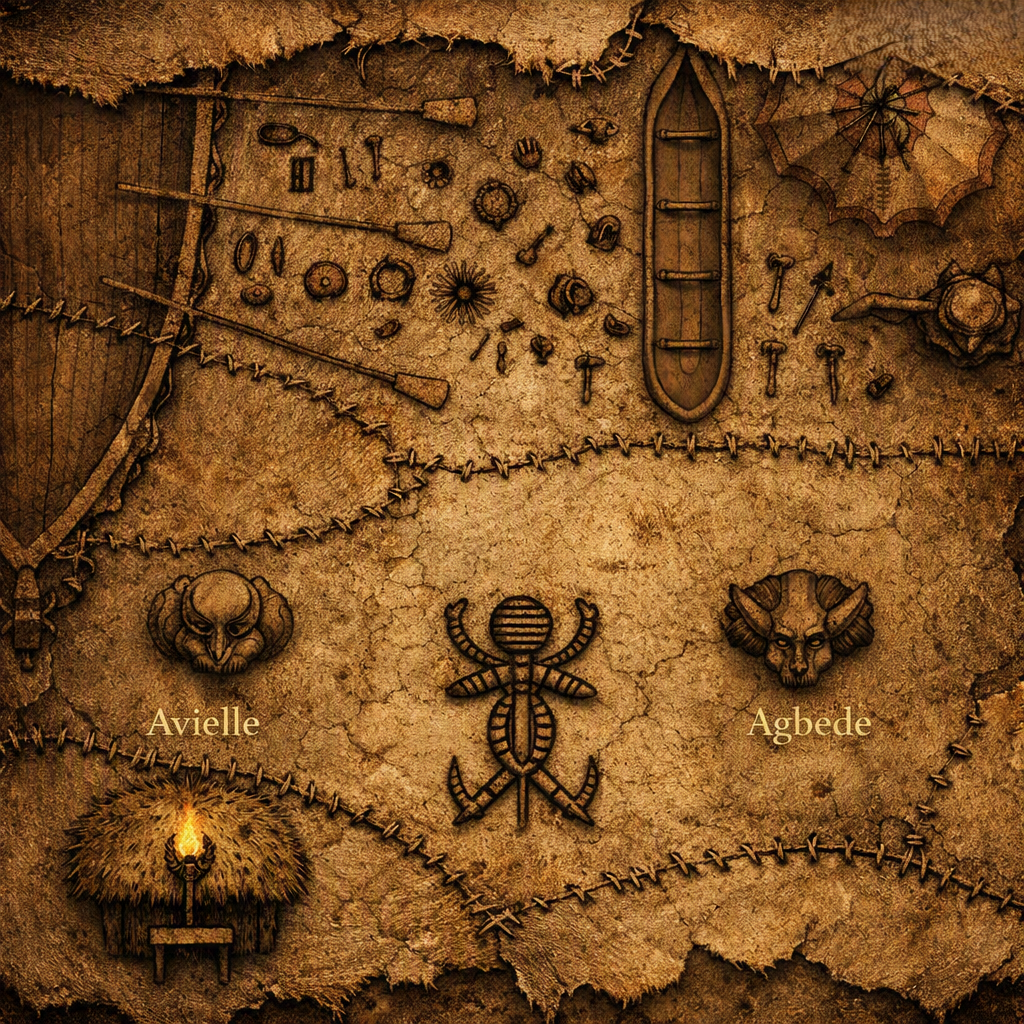
Agbede became one of the important settlements within the wider story of movement and community formation. Its place in the landscape reflects the way settlement grew around fertile land, movement routes and communal relationships.
Before the boundaries of the present day, there were journeys, rivers, settlements and generations of memory.
The history of Etsako is carried not only in written records, but in the voices of elders, family traditions, names of places, songs, ceremonies and the memories passed from one generation to another.
Our ancestors travelled through changing landscapes, searching for places where families could settle, cultivate the earth, raise children and establish communities that could endure beyond their own lifetime.
Oral traditions speak of movement from the northern parts of Africa and of peoples whose journeys eventually brought them toward the lands of present-day Nigeria. Over generations, different groups travelled, settled, crossed waterways and formed new communities.
The movement of people across the region was shaped by the great rivers and waterways of the landscape. The Niger and its surrounding waterways were not simply boundaries. They were routes through which people, ideas, families and traditions moved.
Communities crossed the rivers and continued into lands where the soil, forests and waterways offered new possibilities for settlement.
As families established themselves, relationships were formed with neighbouring communities. Over time these movements created the network of settlements and cultural connections that would become part of the Etsako homeland.
The land revealed itself through its fertility. Fields could support cultivation, forests provided materials and food, and waterways supplied routes, water and life.
Our ancestors learned the character of the soil, the rhythm of the seasons and the resources contained within the landscape. What first appeared as a place of settlement became a homeland.
Beneath the surface were also mineral resources, while above it the richness of the land supported agriculture and community life. Knowledge of these resources became part of the inheritance passed from one generation to another.
Settlement did not happen in a single moment. Communities developed gradually as families found places where they could establish homes, farms, relationships and systems of communal life.
Agbede became one of the important settlements within the wider story of movement and community formation. Its place in the landscape reflects the way settlement grew around fertile land, movement routes and communal relationships.
Across the homeland, settlements developed their own identities while remaining connected through language, kinship, trade, customs and shared memory.
Our ancestors preserved knowledge through everyday life. They taught the younger generation how to cultivate the land, how to recognise its seasons, how to live within the community and how to honour those who came before.
They preserved language, clothing, ceremonies, names, family histories, songs and chants. Each generation became a keeper of what the previous generation had entrusted to it.
What was remembered became inheritance. What was spoken became history. What was preserved became identity.
The land remembers the footsteps of those who came before. Their movements became settlements. Their settlements became communities. Their communities carried a language, a culture and a memory into the generations that followed.