Traditional Music Instruments
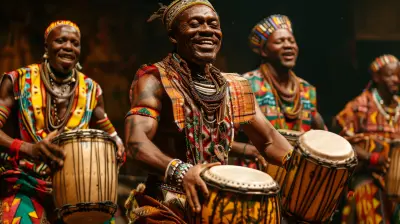
Etsako music begins with the drum — the Ụtẹ, carved from sacred wood and stretched with animal skin. Its voice is not merely rhythm; it is communication, authority, and ancestral presence. When the Ụtẹ sounds, it speaks in tones that summon communities, announce ceremonies, warn of danger, celebrate victories, and honor the spirits of the land. In Etsako culture, the drum is the first language before speech itself.
The talking drum carries praise names, clan histories, and ancestral chants. It can whisper, command, bless, or rebuke — all through controlled tension of leather and wood. A skilled drummer can “speak” entire sentences, calling individuals by name or sending messages across villages. To hear the talking drum is to hear the ancestors speak through rhythm.
The Full Etsako Instrument Family
Ụtẹ (Main Drum) The foundation of Etsako sound. Deep, resonant, and authoritative. Used in festivals, coronations, wrestling events, funerals, and ancestral rites. Its tone commands attention and sets the heartbeat of every gathering.
Ikhẹ (Talking Drum) The instrument of speech. Mimics human language through pitch bending. Used to announce chiefs, praise warriors, call dancers, and communicate across distance. It is the “voice” of ceremonies.
Opi (Flute) Soft, spiritual, and melodic. Played during moonlight gatherings, storytelling nights, and rituals of peace. Its sound carries emotion — sorrow, joy, longing, or celebration — with gentle clarity.
Agogo (Metal Bell) Sharp, bright, and precise. Keeps time for dancers and signals transitions in rituals. The agogo is the timekeeper of the ensemble, guiding rhythm and movement.
Ukpẹ (Rattles / Shakers) Made from gourds filled with seeds or beads. Adds texture, rhythm, and spiritual vibration. Often tied to dancers’ ankles or wrists so the body becomes part of the music.
Ikhian (Wooden Slit Drum) Hollowed from sacred trees. Produces deep, resonant tones used in rituals, secret society gatherings, and messages of authority. Its sound is ancient and commanding.
Oma (Festival Drum) Fast, energetic, and electrifying. Played during major celebrations — marriages, harvest festivals, and warrior dances. Its rhythm lifts the spirit and ignites the crowd.
Ugbogho (Hand Drum) Smaller, portable, and used for personal praise‑singing, storytelling, and intimate ceremonies. Its tone is warm and expressive.
Ikpiri (Clapper Sticks) Wooden sticks struck together to create sharp accents. Used to emphasize dance steps and signal changes in rhythm.
The Spirit of Etsako Instruments
Every instrument in Etsako culture carries meaning, identity, and ancestral authority. They are not simply tools for entertainment — they are messengers, storytellers, ritual companions, and keepers of memory. The drum speaks, the flute breathes, the bell commands, and the rattles awaken the spirit of the dance. To hear Etsako instruments is to hear the land itself speak.
Dance Styles & Meanings
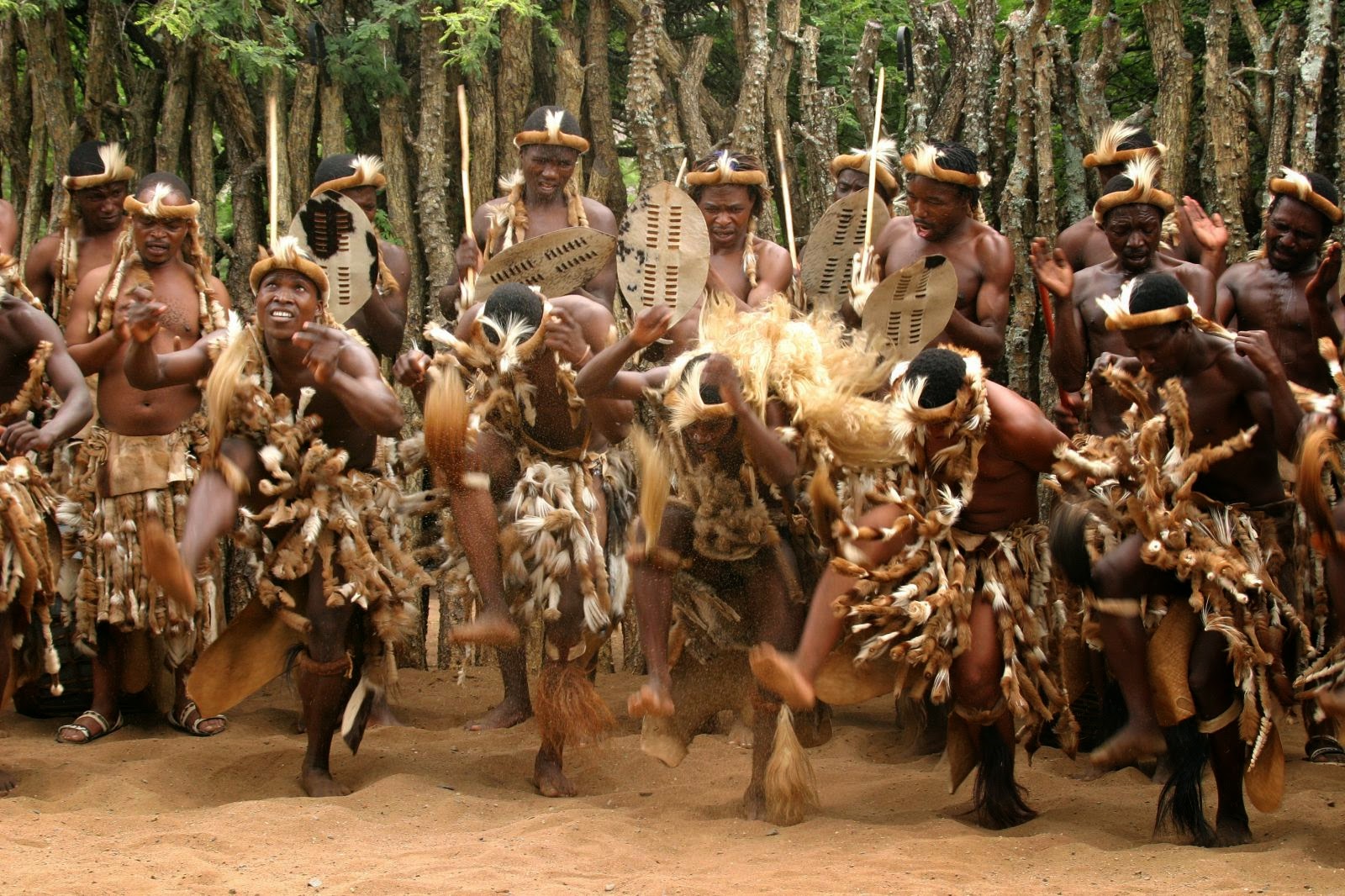
Etsako dances are living stories — expressions of history, age‑grade, spirituality, royalty, and community. Each dance carries a message, a memory, and a purpose. They are not mere performances; they are identities in motion.
In Etsako land, dance is how the people speak without words, remember without writing, and honor without monuments. Every movement is intentional, every rhythm ancestral, every gesture a link between past and present.
Ighele — The Dance of Youth & Agility: Ighele is the heartbeat of youth — fast, bright, and full of promise. When the young step into the arena, the ground seems to awaken beneath them. Their movements are sharp and athletic, leaping like sparks from a fire. It celebrates beauty, courage, vitality, and readiness for adulthood. Meaning: “The future is alive and rising.”
Ekpese — The Dance of Elders & Wisdom: Ekpese is slow, deliberate, and deeply spiritual. Elders move with the weight of memory — every step a lesson, every gesture a blessing. Their calm rhythm reflects patience, experience, and ancestral authority. Meaning: “Wisdom walks slowly but sees far.”
Ajakuta — The Dance of Transition & Rites: Ajakuta marks the turning points of life — initiation, marriage, adulthood, and spiritual passage. Movements mimic a traveler’s journey: leaving the old path, entering the new, carrying lessons forward. It symbolizes growth, transformation, acceptance, and renewal. Meaning: “Life moves forward; the spirit evolves.”
Agbega — The Warrior’s Dance: Agbega is fierce, grounded, and commanding. Warriors move with strength and discipline, echoing the battles fought to protect the land. Stances imitate shields, spears, and victory gestures. It celebrates bravery, unity, duty, and ancestral protection. Meaning: “Strength is a duty; courage is a legacy.”
Ugho — The Royal Dance: Ugho is majestic, slow, and dignified. Performed in the presence of chiefs and titled elders, it carries the aura of authority. Movements are controlled and elevated, symbolizing leadership, purity, and ancestral blessing. Meaning: “Leadership is sacred; honor is inherited.”
Osese — The Dance of Celebration: Osese is joyful, open, and communal. It fills weddings, harvest festivals, reunions, and great gatherings with laughter and rhythm. Movements are welcoming, inviting everyone — young and old — to join the circle. It symbolizes community, happiness, abundance, and shared blessing. Meaning: “Joy shared is joy multiplied.”
Ikhue — The Dance of Spirit & Ritual: Ikhue is sacred and performed during spiritual ceremonies. Movements are symbolic, invoking ancestral presence, protection, and divine guidance. Ritual drums and chants accompany the dancers, opening the doorway between the seen and unseen. Meaning: “The unseen walks with the living.”
Oghodua — The Dance of Unity: Oghodua is the circle of the people — a dance of peace, reconciliation, and collective strength. Dancers move in circles, symbolizing continuity, unity, and the unbroken bond of lineage. It is performed when communities come together to heal, celebrate, or reaffirm their shared destiny. Meaning: “We are one people, one lineage, one destiny.”
The Spirit of Etsako Dance: In Etsako culture, dance is history, identity, spirituality, and community. It is how the people remember their past, celebrate their present, and bless their future. Every dance is a story. Every movement is a message. Every rhythm is a memory.
Spirits in Motion
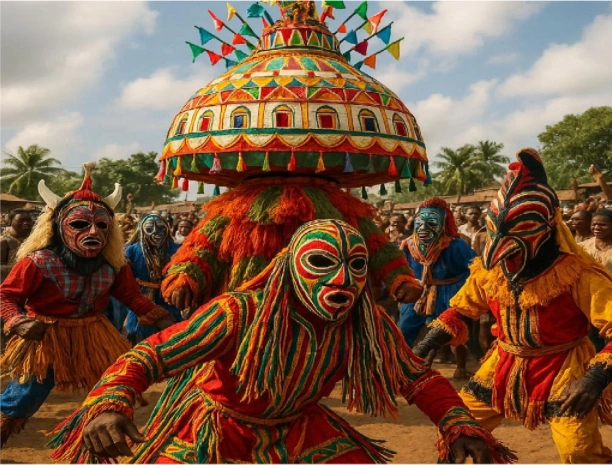
Masquerades in Etsako culture are not performers — they are presences. When they emerge, they do so as spirits in motion, embodiments of forces older than memory. Their masks are not decorations; they are ancestral faces. Their steps are not choreography; they are ritual pathways. Their voices are not human; they are echoes of the unseen world. Each masquerade carries a sacred purpose — justice, fertility, protection, cleansing, ancestral visitation, or royal authority. To witness one is to stand at the threshold between the living and the ancestors.
Their appearance is rare, powerful, and deeply respected. Masquerades do not come out for entertainment; they come out for meaning. They mark festivals, funerals of great elders, rites of passage, harvest ceremonies, and spiritual convocations. When they move, the community falls silent, for the people understand that the ancestors are walking among them. Their presence transforms ordinary ground into sacred space, and their movements carry messages understood by elders, initiates, and those who listen with the spirit.
In Etsako tradition, a masquerade is a vessel. The human inside disappears; the spirit takes over. The community does not see a dancer — they see a guardian, a messenger, a judge, a protector, or an ancestral emissary. Their presence reminds the people that the world is layered — the visible and the invisible, the living and the departed, the present and the eternal. Masquerades are the moving spirits of Etsako — the breath of tradition, the guardians of culture, and the living memory of the land.
Community Performances
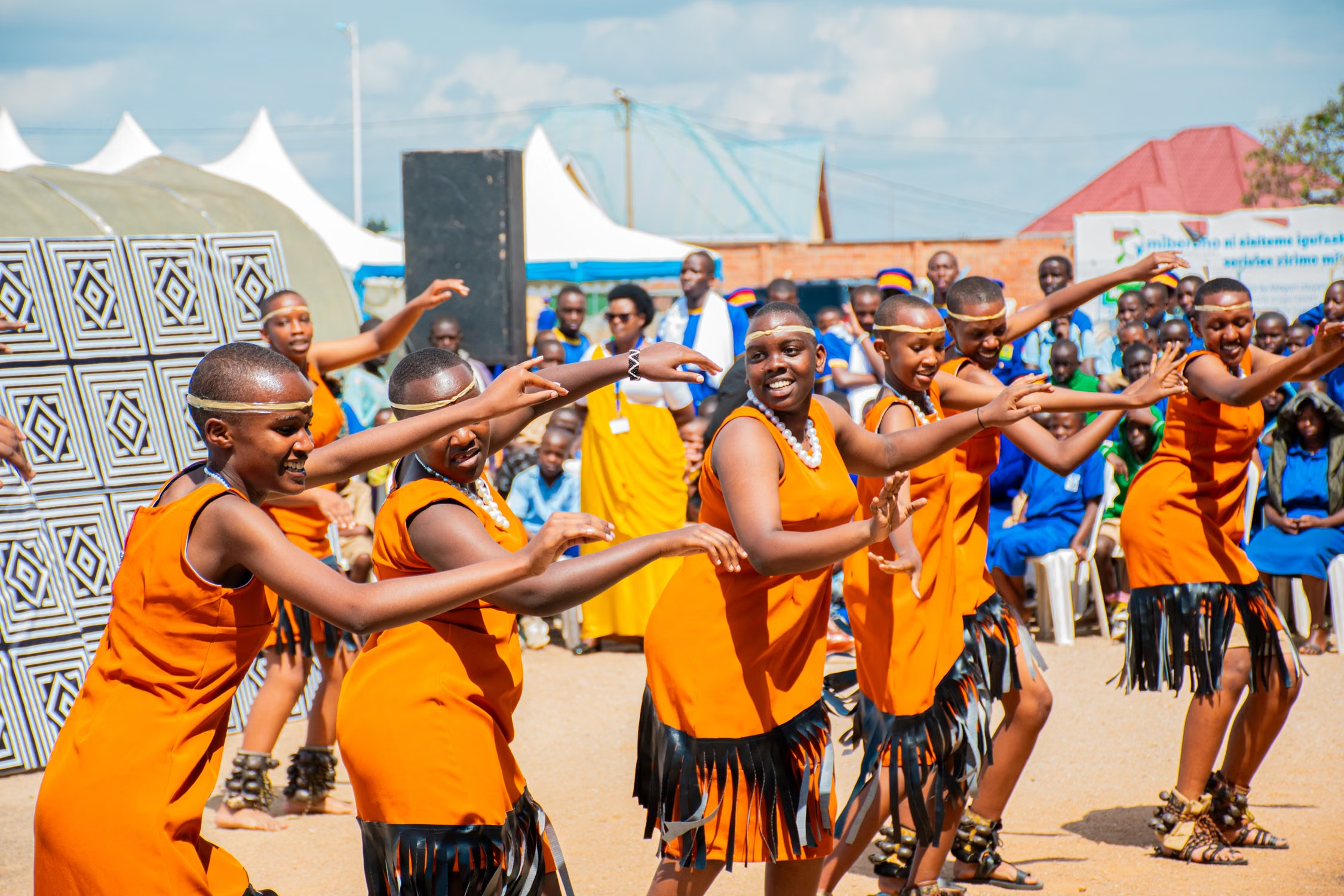
Etsako music lives through the voices of legends, community ensembles, and the countless local groups who gather in village squares to dance, drum, chant, and celebrate the people. These groups are the heartbeat of ceremonies — appearing at weddings, festivals, funerals, age‑grade rites, chieftaincy events, and moments of communal joy or grief. Their performances blend storytelling, rhythm, chant, and movement into a unified expression of identity.
These are not performances for entertainment — they are living teachings passed across generations. Every drumbeat carries memory, every chant carries history, and every dance step carries the wisdom of the land. When these groups gather, they do more than perform; they preserve culture, strengthen unity, and awaken ancestral pride. Their presence turns ordinary gatherings into cultural ceremonies.
Etsako dance groups embody the spirit of the people. They represent clans, villages, age‑grades, and families. They arrive with drums, flutes, rattles, praise‑singers, and dancers who move with purpose and meaning. Whether performing in open squares, palace courtyards, or family compounds, these groups carry the responsibility of keeping tradition alive. They are the custodians of rhythm, the guardians of memory, and the storytellers of the community.
Dance & Music Gallery
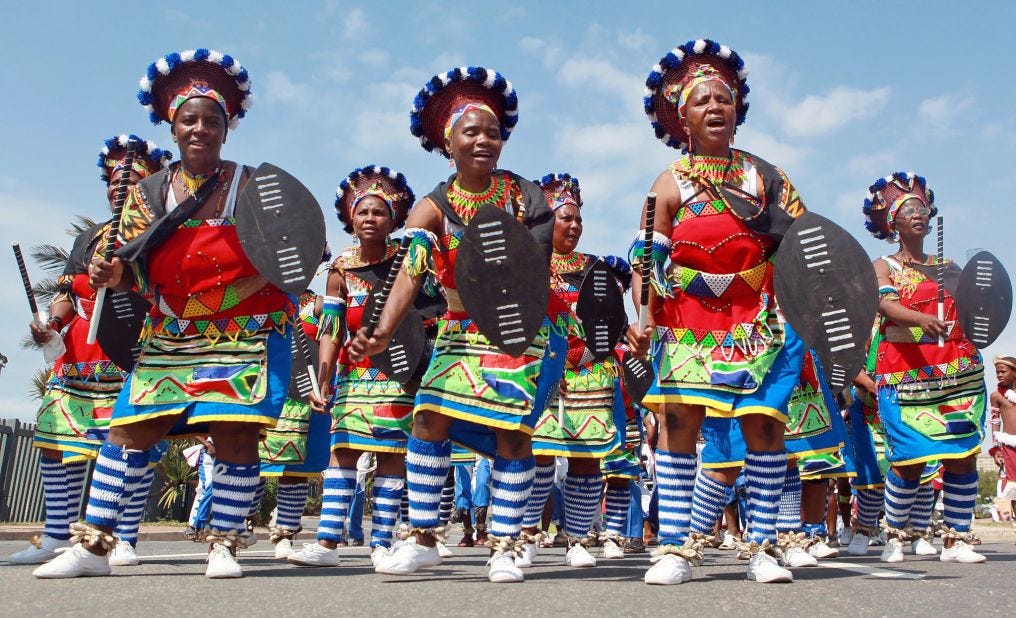
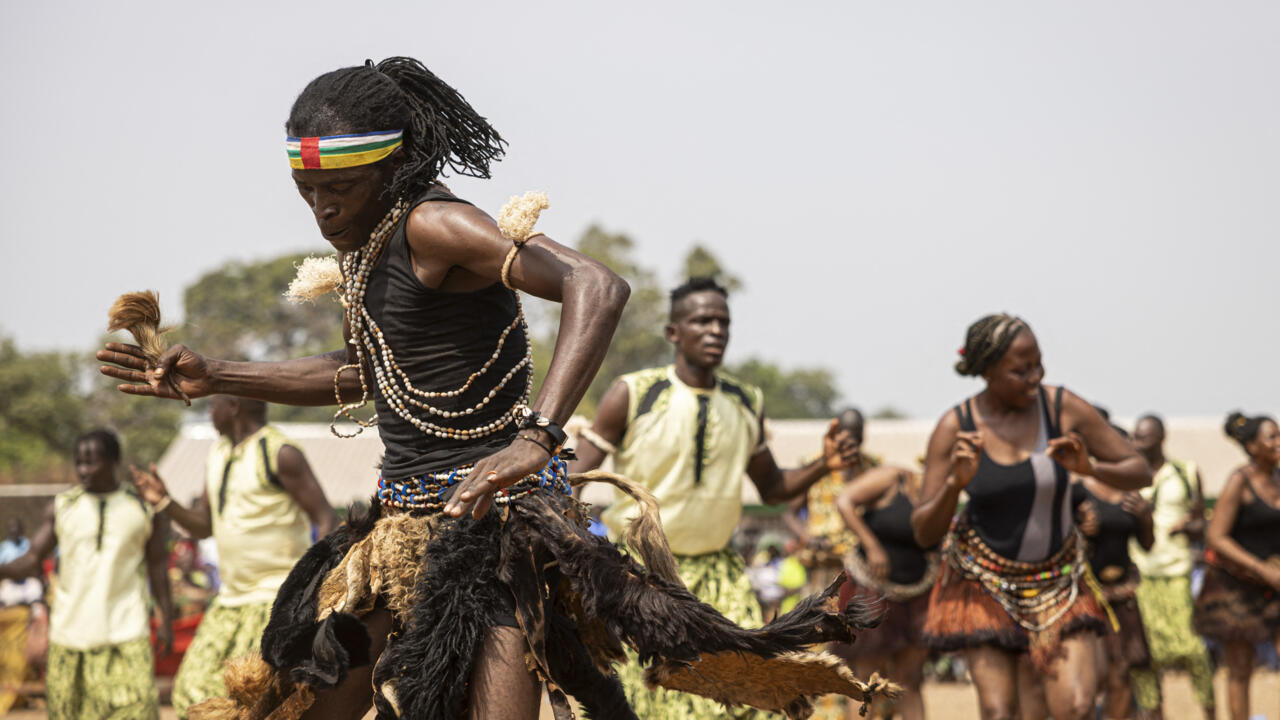
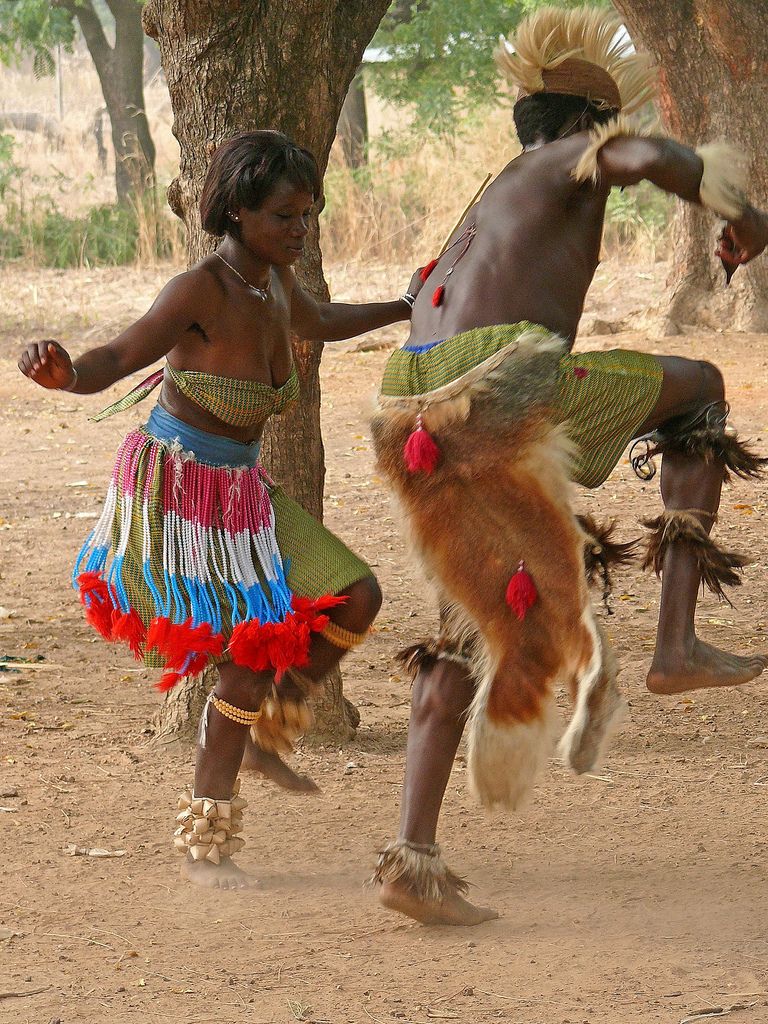
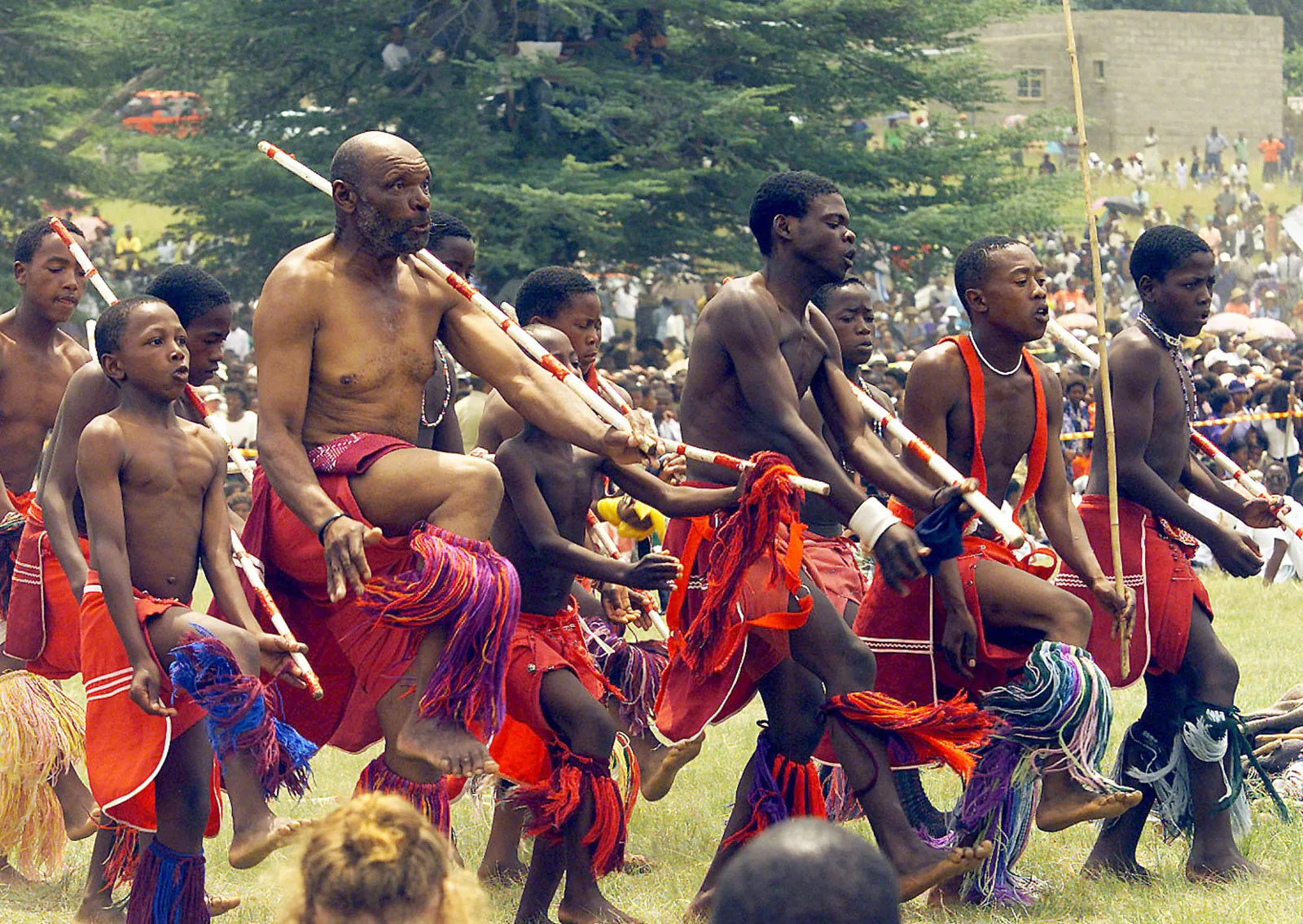
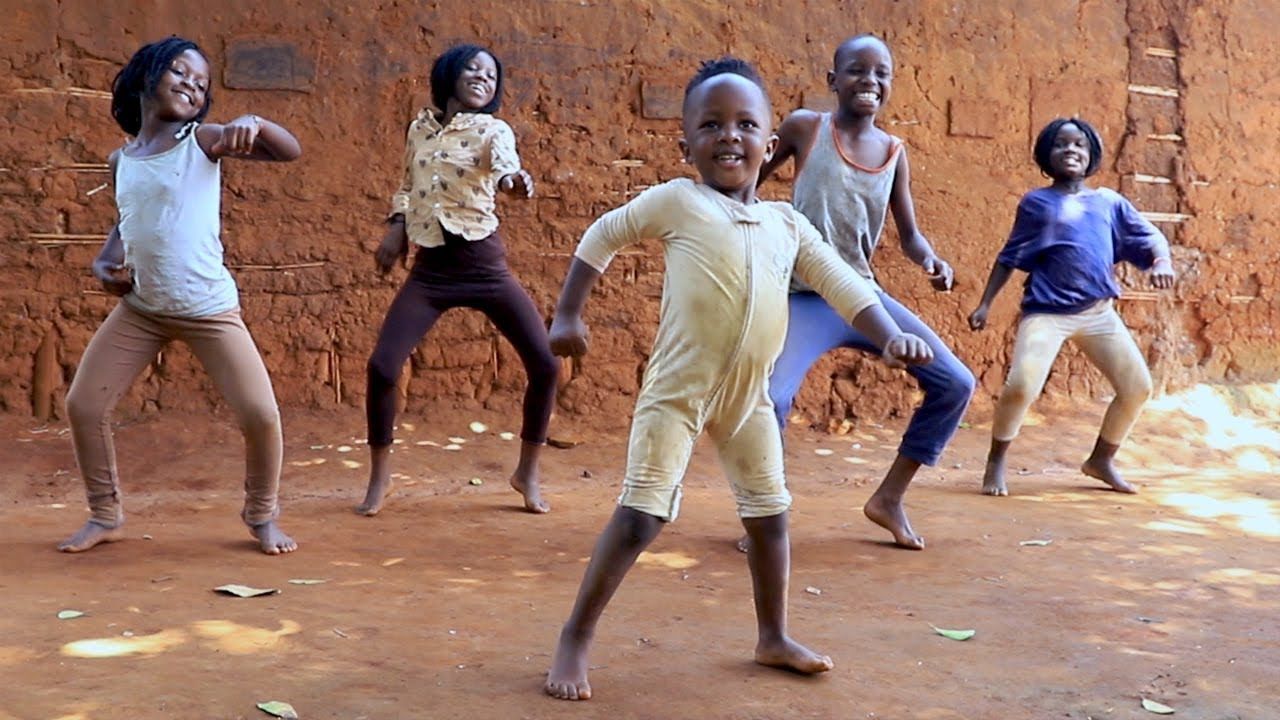
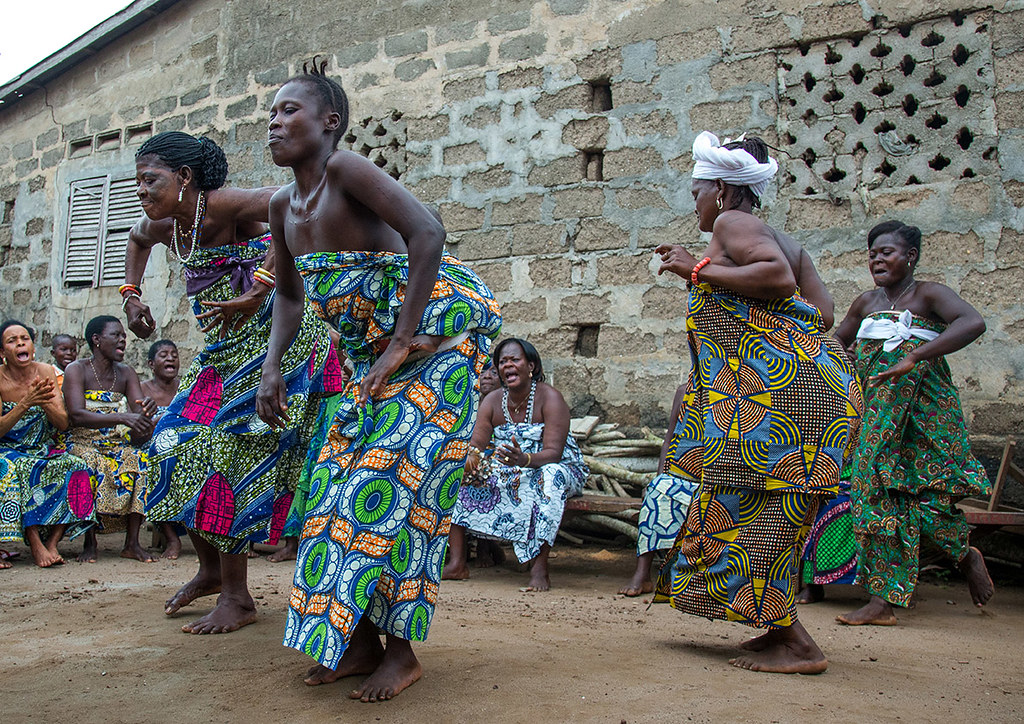
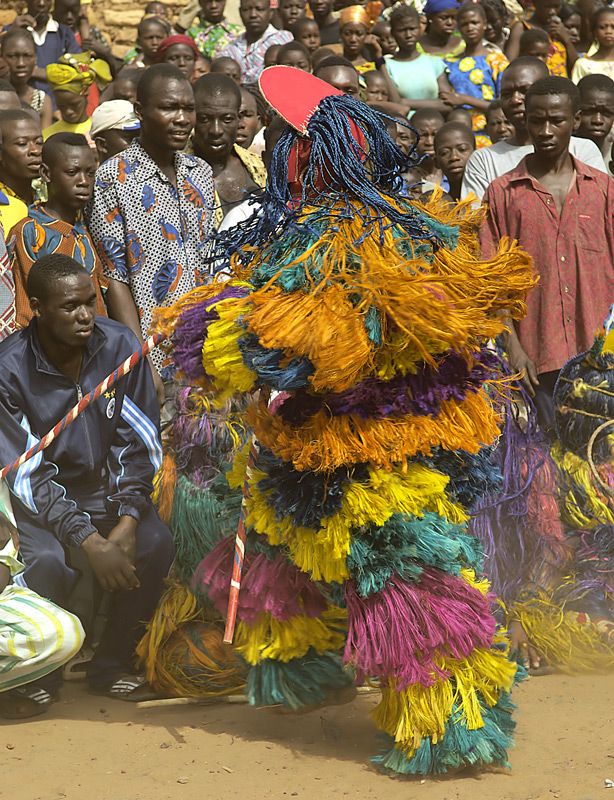
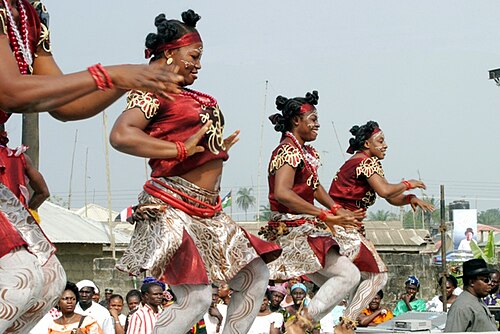
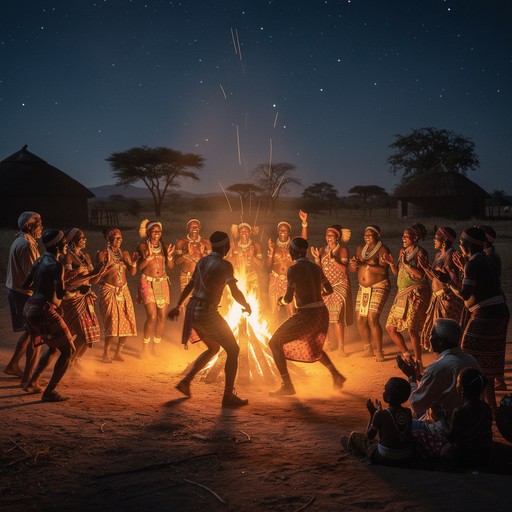
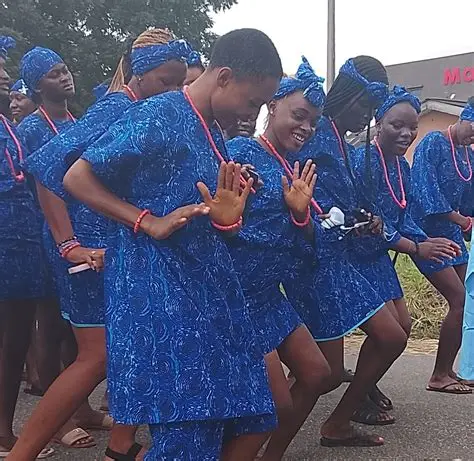
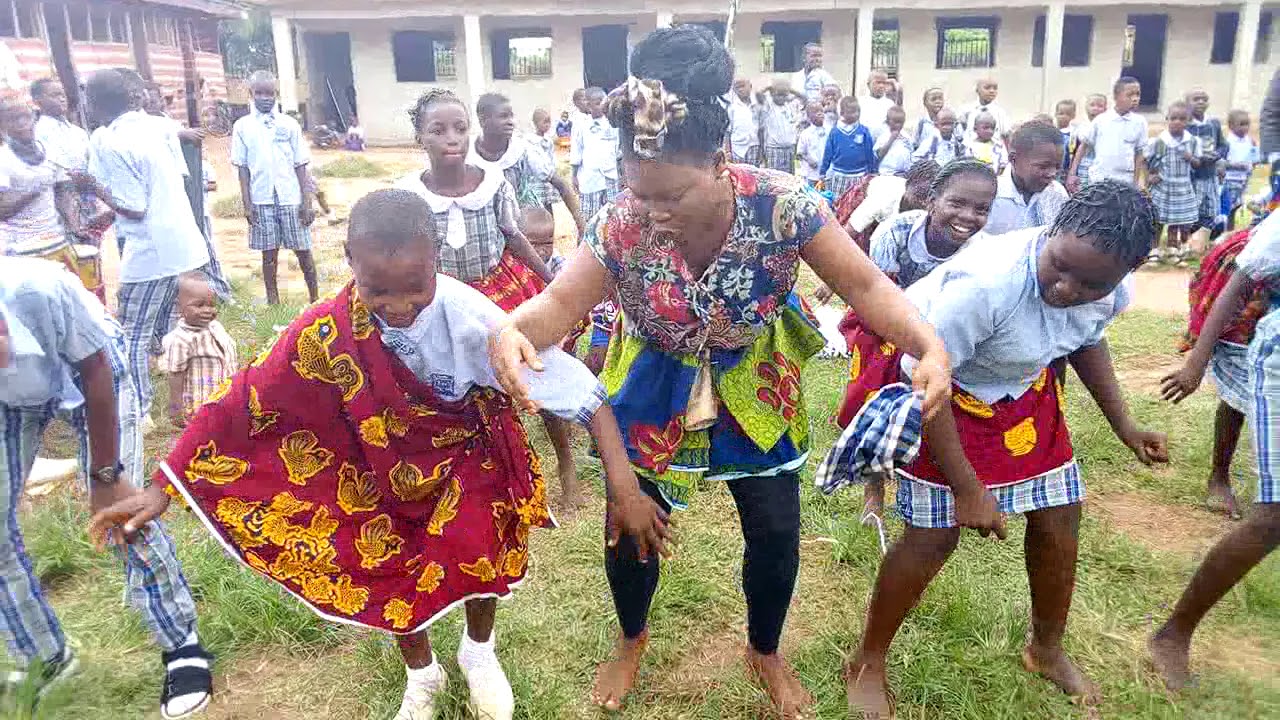
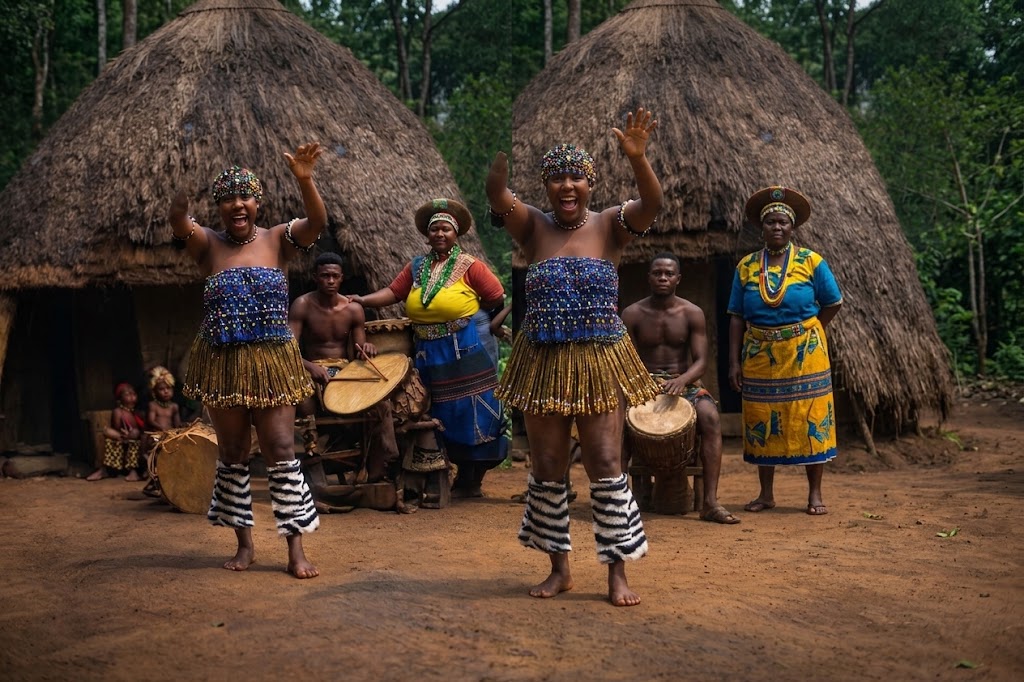
Every image is a vessel of memory. In Etsako culture, a photograph does more than freeze a moment — it captures motion, identity, lineage, and spirit. From the towering presence of masquerades to the vibrant energy of youth dances, each frame preserves the rhythm of Etsako heritage and the heartbeat of the land. These images are not decorations; they are archives of who we are.
Etsako cultural groups, village ensembles, and traditional musicians bring these images to life. When they gather in the village square — drummers at the center, dancers in motion, elders watching with pride — the camera captures more than movement. It captures community, ancestral pride, and the living continuity of tradition. Every photograph becomes a testimony: “We were here. We are here. We will remain.”
Modern Integration
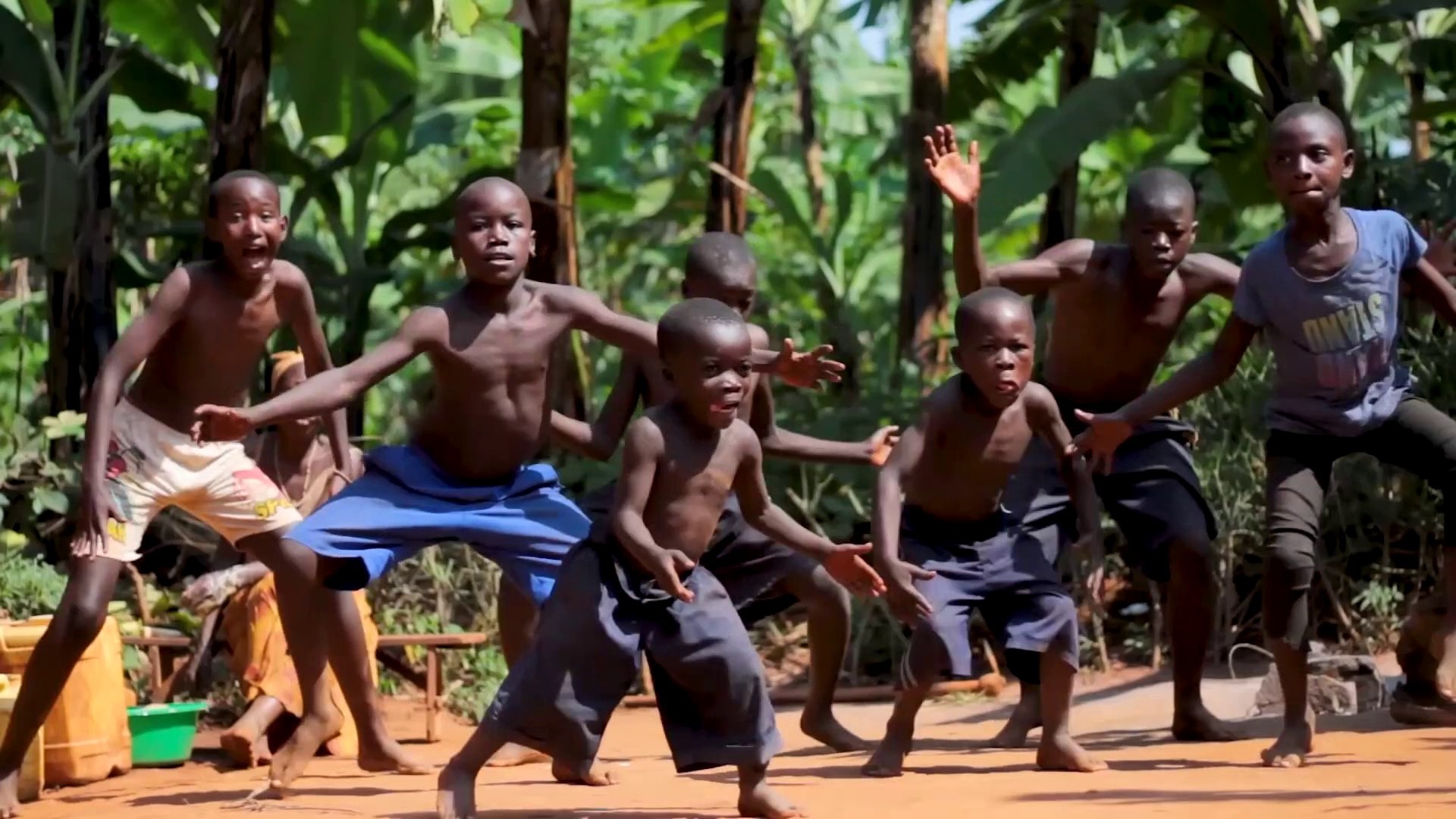
Today, Etsako dance evolves with modern influence—blending tradition with Afro-fusion, digital performance, and global stages while preserving ancestral roots. The ancient tempo of the Ụtẹ drum has found new expression within contemporary music, serving as a polyrhythmic baseline for modern recordings and national artistic showcases.
Young generations of creators utilize digital spaces to pass down choreographic steps, recording the intricate mechanics of dances like the Ighele and Ugho to prevent their structural erasure in a globalized society. By archiving these physical languages, our modern community builds an accessible, living bridge that protects local identity while sharing its creative wealth with listeners and viewers worldwide.