Feast & Festivals

Etsako Festival

Festivals in Etsako land are more than celebration—they are living communion. They mark the turning of seasons, the honoring of ancestors, and the reaffirmation of communal bonds that stretch across generations. Among the most revered is the New Yam Festival, a vibrant ceremony of harvest, gratitude, and renewal that brings entire communities together in joy and reflection.

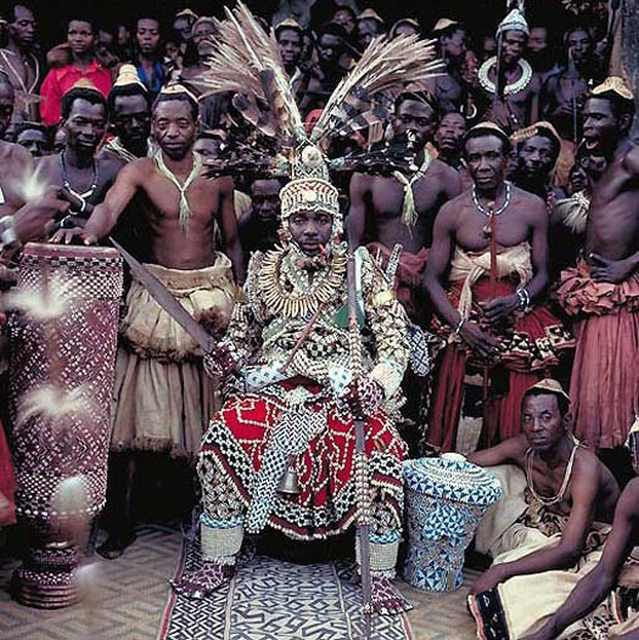
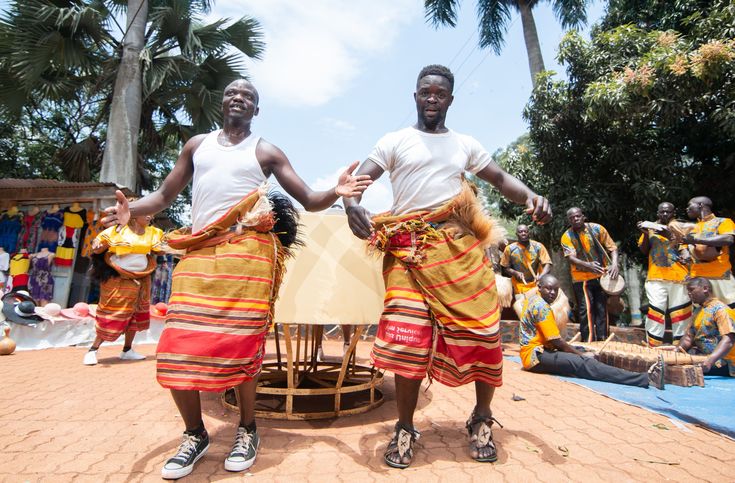
In these sacred gatherings, masquerades emerge from ancient groves like echoes of the unseen world. Their movements are not merely dance—they are language, rhythmically speaking ancestral truths. Drums answer them in deep, thunderous voices, carrying messages older than memory itself. Dancers whirl in garments woven with symbolism, color, and history, while elders chant proverbs that remind the youth that identity is inheritance.

Beyond the harvest, other festivals honor rain, fertility, bravery, and communal milestones that define the rhythm of life in the land. From the hills of Fugar to the riverbanks of Agenebode, each gathering becomes a sacred mirror—reflecting who the people are, where they have been, and what they must carry forward into the future.

In Edo State, Nigeria, these traditions are not performances for memory alone—they are active culture, continuously renewed. Every festival is a reminder that heritage is not behind us; it is alive among us, breathing through drumbeats, footsteps, and shared stories beneath open skies.
Deities & Worship

Deities & Worship

In Etsako cosmology, the divine realm is vast, ordered, and deeply intertwined with daily existence. At its apex stands Oghena, the Supreme God—creator of all life, sustainer of order, and the silent witness to all things seen and unseen. Nothing exists outside the awareness of Oghena, yet the divine remains distant, approached through reverence rather than possession.

Beneath Oghena exists a sacred network of ancestral spirits and guardian deities, each intricately tied to clans, families, rivers, hills, and sacred groves. These forces are not abstract—they are present, active, and responsive. They are honored through offerings, libations, chants, and seasonal rituals that maintain balance between the living and the spiritual order.

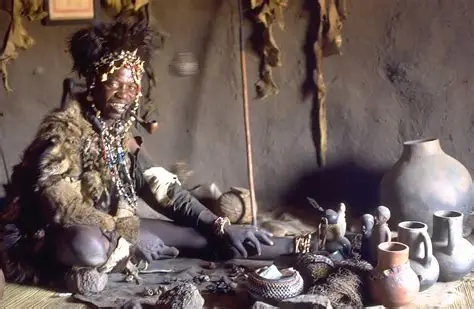
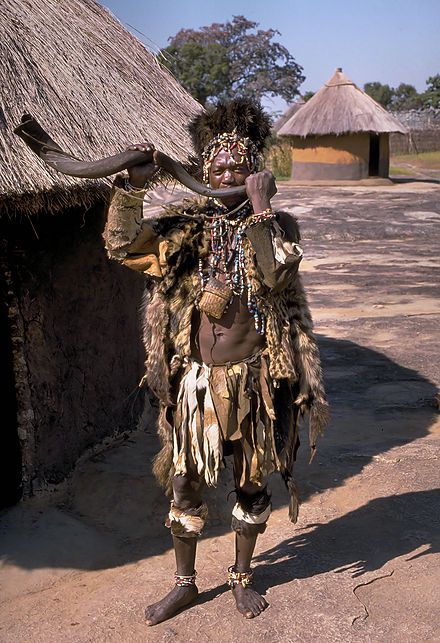
The Ohen—traditional priests and priestesses—serve as spiritual custodians and mediators. They interpret signs, dreams, and omens; they perform rites of cleansing, protection, and blessing. Through them, the unseen world speaks, ensuring harmony between the physical realm and the ancestral continuum.

In Etsako belief, spirituality is not confined to shrines or sacred spaces—it flows through everyday life. It lives in greetings, in proverbs spoken with meaning, in the pouring of libation, and in the quiet acknowledgment of ancestral presence before major decisions are made.

Even silence carries spiritual weight. Every act of respect toward elders, land, and tradition becomes a form of worship, reinforcing the understanding that existence itself is a shared covenant between the living, the ancestors, and Oghena.

Ancestors & Veneration

Ancestors Veneration

In Etsako culture, the line between the physical world and the spiritual universe is beautifully fluid. The ancestors, often called the living-dead, are not forgotten historical figures; they are active, deeply revered guardians of family morals, protectors of the land, and immediate intercessors between humanity and Oghena.

Veneration takes place through daily actions and structured family ceremonies. Pouring libation on the earth before drinking, breaking kolanut with dedicated prayers, and speaking their names during moments of decision-making ensure that their collective wisdom guides the living compound away from ruin and division.

To maintain harmony with the ancestors is to protect the spiritual continuity of the family lineage. Disregarding their values brings unbalance, while honoring their struggles ensures that peace, abundant rainfall, and bountiful harvests follow the community across seasons.

Marriage Rites

Marriage Rites

In Etsako culture, marriage is far more than a social union—it is a sacred covenant binding together two families, their ancestral lineages, and the wider community. It is a spiritual and cultural agreement that affirms continuity, responsibility, fertility, and harmony between bloodlines.

The process begins with formal family introductions (known as recognition of lineage alignment), where both families acknowledge each other’s heritage, values, and ancestral roots. This is followed by structured dowry negotiations, guided by elders who act as custodians of tradition, ensuring fairness, respect, and ancestral approval throughout every stage.

Prayers and libations are offered to Oghena and the ancestors, seeking blessing, protection, and long-term stability for the union. At this level, marriage is not considered complete without spiritual endorsement from the ancestral realm, which is believed to oversee the success or failure of the union.

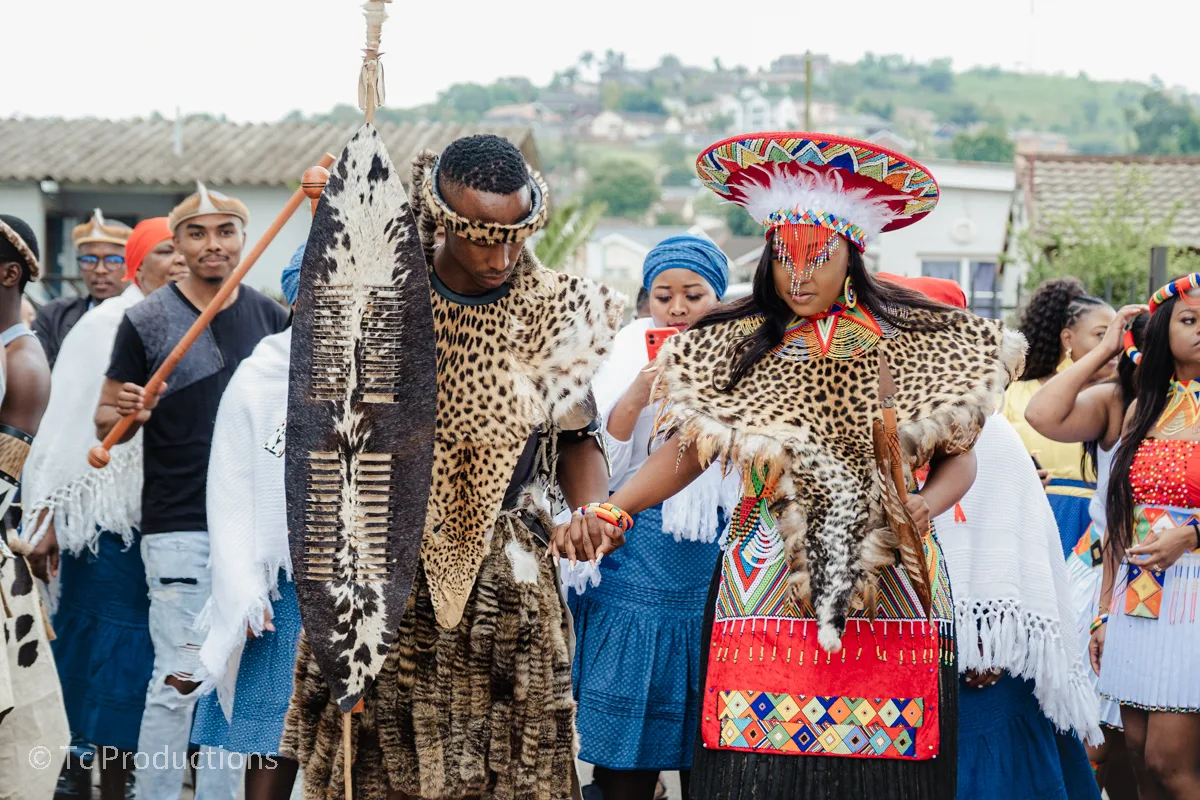
The traditional wedding ceremony becomes a public celebration of unity and identity, expressed through drumming, storytelling, dance, symbolic attire, and ritual invocation. Each element is intentional—music calls joy, dance expresses communal approval, and attire reflects lineage pride and cultural identity. Celebration and spirituality exist together as one continuous expression.

Ultimately, marriage in Etsako land affirms continuity of lineage, preservation of family honor, and strengthening of communal structure. It honors the ancestors who established the path, strengthens the living community, and secures the bridge between generations yet unborn.

Child Naming Rites

Child Naming Rites

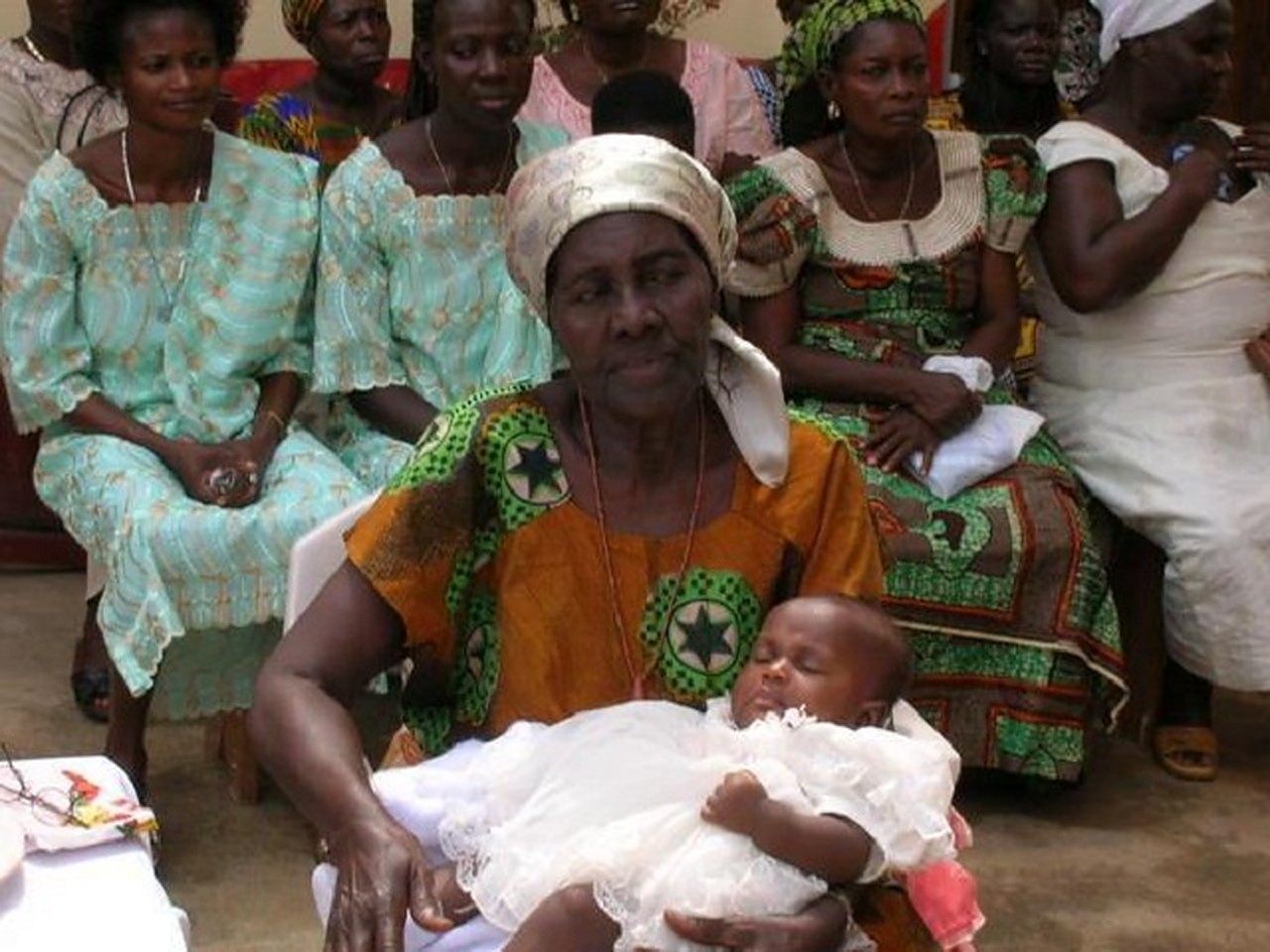
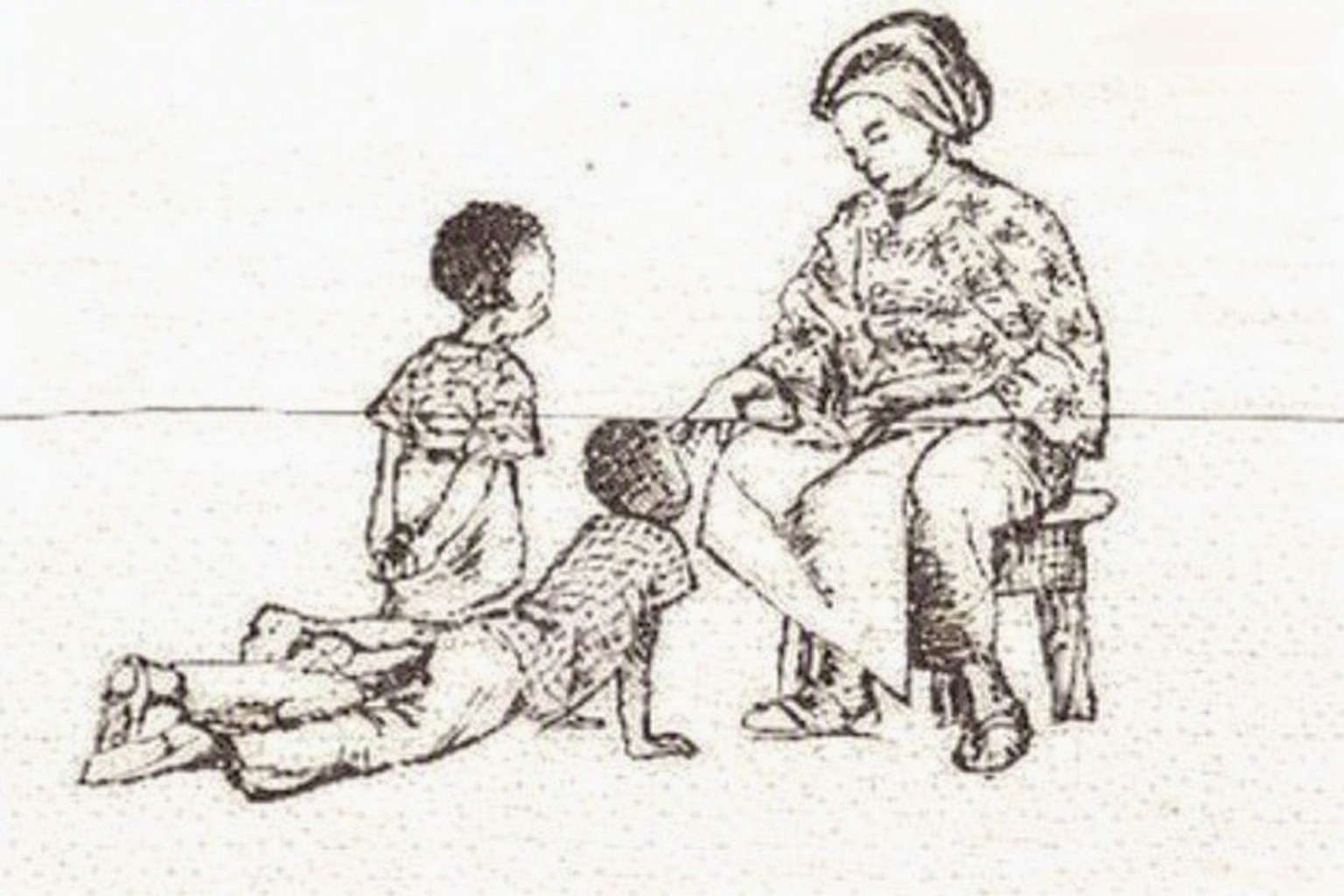
In Etsako tradition, child naming is not a casual event—it is a sacred declaration of existence, where identity, destiny, lineage, and spiritual purpose are formally anchored into the world. A name is believed to carry spiritual authority, shaping the path the child will walk from birth into ancestry.

The ceremony is led by elders and family heads, who stand as custodians of lineage memory. Prayers are offered not only for blessing, but for protection, direction, and moral alignment of the child’s life. In this moment, the child is formally acknowledged by both the living and the ancestral realm.

Symbolic elements such as water, salt, palm oil, and palm wine are carefully used, each carrying deep meaning: water for purity and continuity, salt for preservation and endurance, palm oil for blessing and sacred favor, and palm wine for joy, communion, and ancestral acceptance.

Names are not chosen lightly—they are drawn from ancestral memory, spiritual encounters, family history, and prophetic insight. Some names reflect gratitude for survival, others mark sorrow turned into hope, while many declare strength, protection, or divine timing in the child’s arrival.

Through this rite, the newborn is not merely named but fully inducted into existence within Etsako cosmology—woven into the fabric of clan identity, ancestral continuity, and communal destiny. From this moment, the child is recognized as part of a living lineage that stretches backward into the ancestors and forward into generations yet unborn.

Circumcision Rite (Ikpasa)

Circumcision Rites

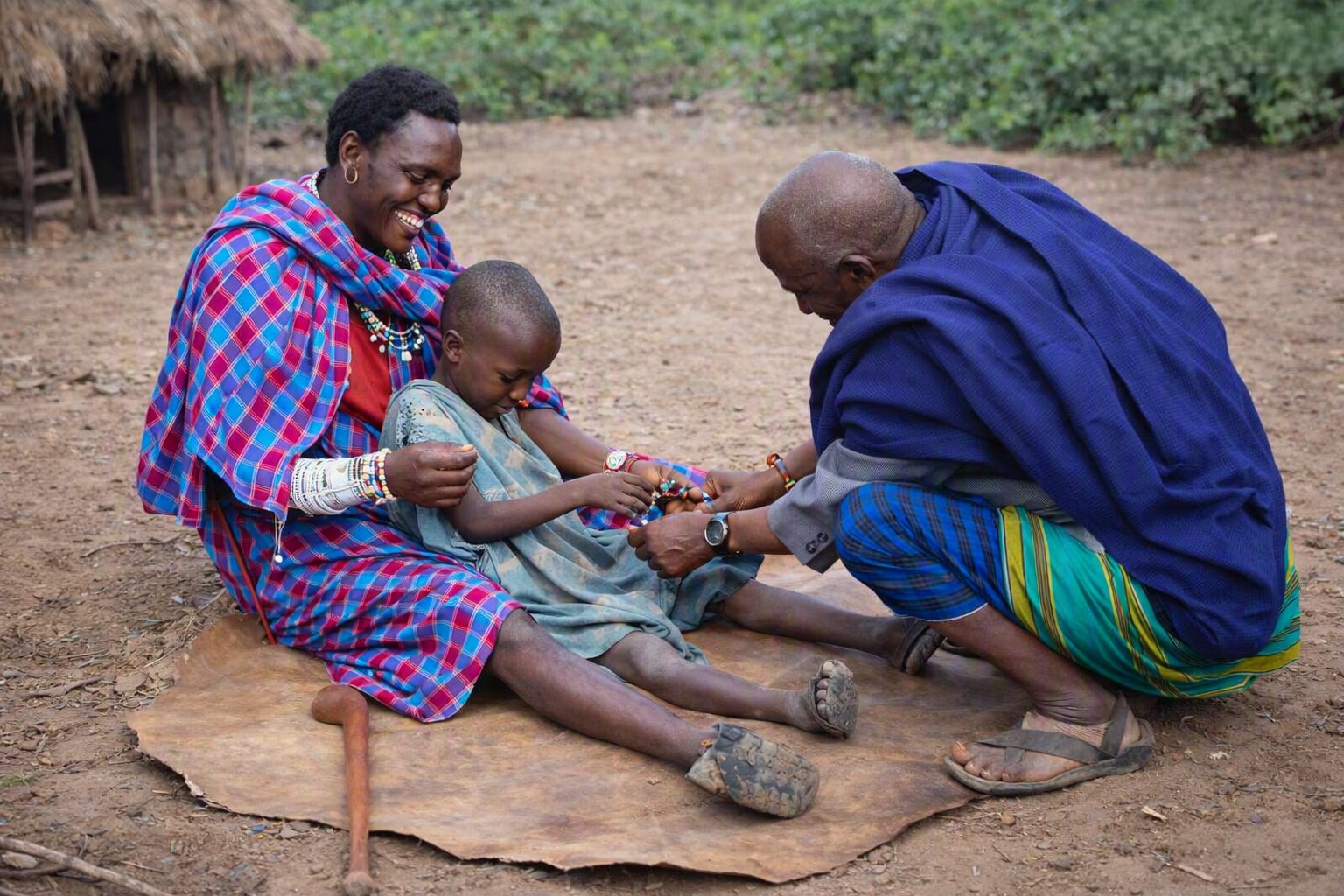
In Etsako culture, Ikpasa is a sacred rite of passage into manhood rooted in discipline, courage, endurance, and responsibility. It is not merely a physical rite, but a symbolic transformation of identity and duty within the community.

Traditionally performed under the guidance of elders and custodians of tradition, Ikpasa represents the moment a boy is acknowledged as ready to assume communal responsibility, respect ancestral values, and uphold the moral expectations of his lineage.

The rite carries deep cultural meaning—signifying strength of character, spiritual readiness, and acceptance into the structure of adult society. It is a test of endurance that reflects the values expected of manhood in Etsako land.

After recovery, the initiate is received with honor, music, blessings, and communal celebration. This moment signifies acceptance, renewal, and the official recognition of a new social identity within the family and community.

In contemporary practice, many families integrate modern medical care while preserving the cultural and symbolic essence of Ikpasa. This balance ensures that the rite remains both safe and culturally alive, maintaining its place as a vital marker of Etsako identity.

Manhood Rites

Manhood Rites

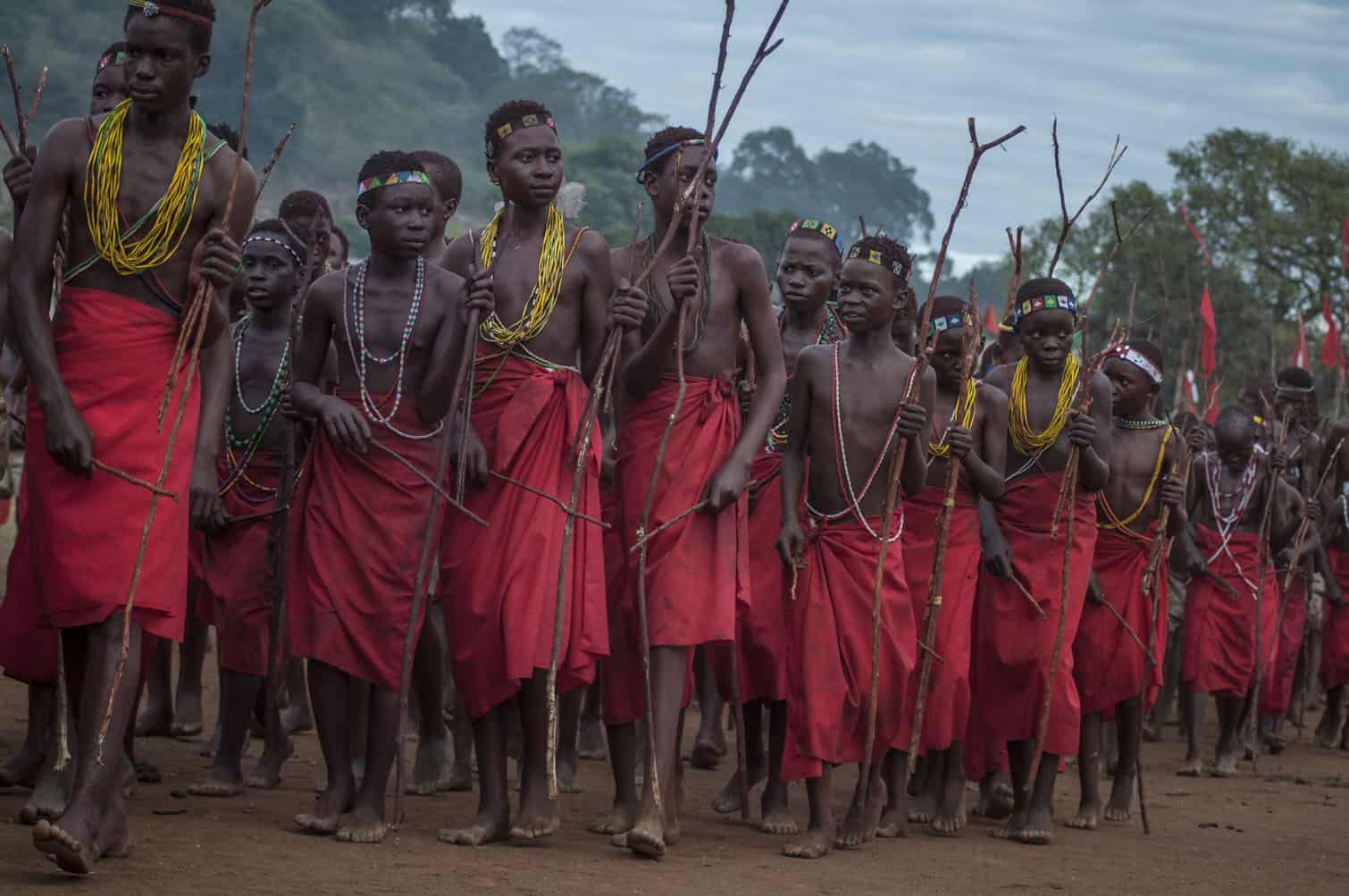
The journey into adulthood in Etsako culture is not automatic—it is earned through ritual, mentorship, discipline, and moral instruction. It represents a conscious transition into responsibility, identity, and communal expectation for both men and women.

Elders serve as custodians of wisdom, guiding initiates—young men and young women—through teachings centered on discipline, respect, accountability, and ancestral values. These teachings shape character and prepare individuals for the roles they will hold within family and society.

The transition is marked through symbolic ceremonies, traditional attire, music, storytelling, and full communal participation. These elements publicly affirm that the initiate has crossed from childhood into recognized social maturity.

In Etsako understanding, both men and women who reach this stage are entrusted with dignity, responsibility, and cultural duty. Each is expected to uphold values that preserve family honor and strengthen the fabric of the community.

Ultimately, adulthood in Etsako culture is not a title—it is a lifelong commitment to integrity, service, and ancestral continuity carried equally by men and women.

Burial Rites

Burial Rites

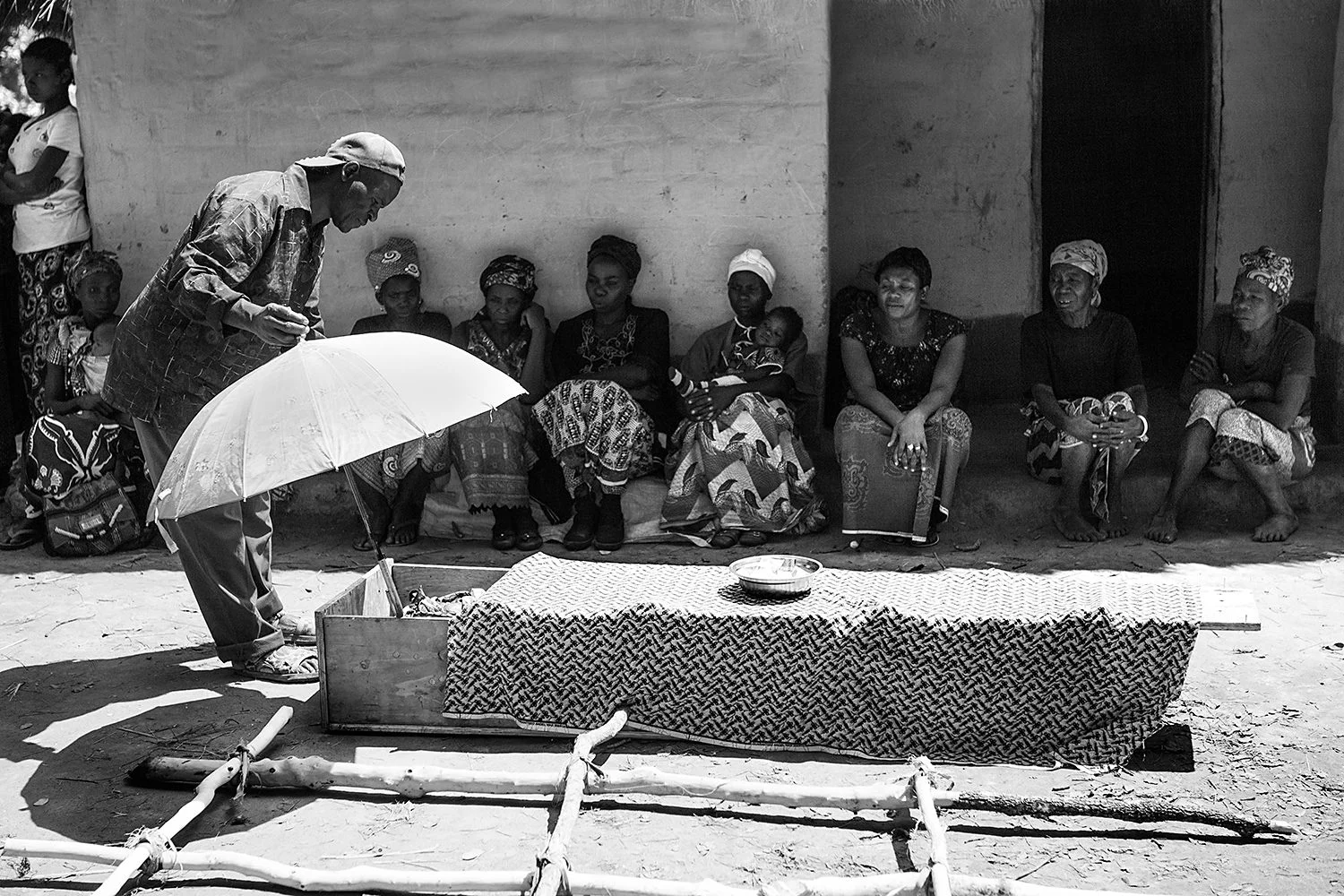
In Etsako tradition, the passing of an elder is not treated as a permanent end, but as a transitional journey into the realm of the ancestors. Burial rites are complex, sacred procedures that ensure the spirit is properly released from the earthly plane to prevent restless wanderings.

The entire community participates in structured days of mourning, characterized by symbolic drumming, family testimonials, and deep historical chants. Elders lead the foundational purification rituals, pouring final libations to smooth the deceased's path into the ancestral realm.

These ceremonies reaffirm the family lineage, ensuring that the legacy, remaining properties, and moral structural tasks of the elder are smoothly inherited by the succeeding generation under the spiritual blessing of Oghena.

Respect is Our Heritage

Respect is Our Heritage

In Etsako culture, respect is not merely a social behavior—it is a core moral foundation, a sacred code that defines how individuals relate to elders, peers, ancestors, and the wider community. It is both a value and a way of life, shaping identity, character, and destiny.

Respect is expressed through language, greetings, posture, and conduct. Traditional greetings are deeply meaningful—they embody humility, reverence, and recognition of wisdom and age. Every greeting is an act of acknowledgment that reinforces social harmony and cultural order.

Proverbs and praise names are powerful cultural tools used to honor elders, preserve dignity, and transmit ancestral wisdom. These expressions carry layered meanings, reminding the community that speech itself is responsibility, and words must reflect truth, honor, and respect.

Respect in Etsako life is not optional—it is a discipline taught from childhood and reinforced through family upbringing, communal correction, and cultural expectation. It becomes a lifelong practice that defines how one is received and remembered within society.

The rewards of respect are both visible and spiritual: it brings honor, trust, community acceptance, and guidance from elders. It opens doors to wisdom, strengthens relationships, and ensures peaceful coexistence. In ancestral understanding, a respectful life is a life that earns blessings, continuity, and lasting legacy.

Clan Systems & Kinship

Clan Systems & Kinship

In Etsako culture, clans are not just social groups—they are spiritual lineages, ancestral pathways, and enduring foundations of identity and belonging. Each clan carries a shared origin, a sacred memory, and a collective responsibility that binds generations together.

Elders serve as living custodians of history, preserving oral traditions, genealogies, and ancestral wisdom. They guide relationships between families and lineages, ensuring that harmony, respect, and cultural order are maintained across generations.

Kinship in Etsako society is deeply influential—it shapes marriage customs, determines inheritance rights, and informs leadership succession. Through kinship, identity is not individual alone but shared, inherited, and spiritually connected to the lineage of ancestors.

Clan traditions are expressed through symbols, ancestral songs, traditional attire, and communal gatherings. These expressions are not decorative—they are living reminders of unity, history, and collective identity.

Ultimately, the clan system provides structure, belonging, continuity, and protection. It reinforces the belief that every individual is part of a larger ancestral story that must be preserved, honored, and carried forward.

Traditional Governance & Justice

Governance & Justice

In Etsako culture, governance is rooted in wisdom, consultation, ancestral guidance, and communal responsibility. Leadership is not imposed—it is earned through respect, integrity, and service to the people.

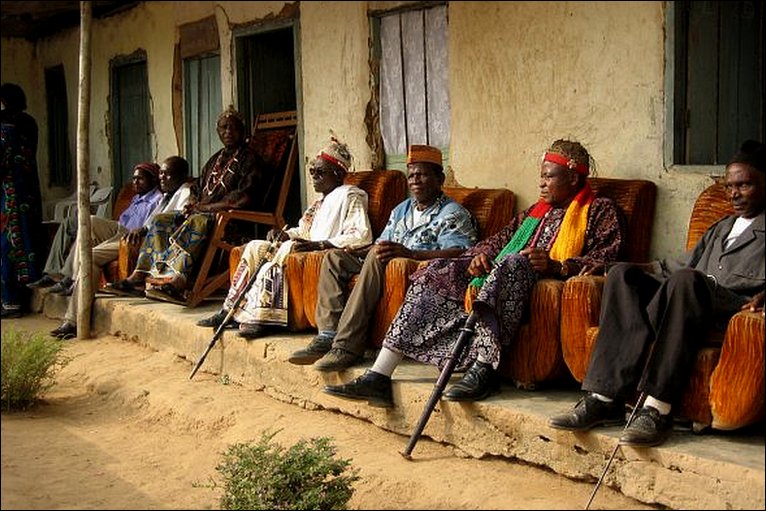
Elders and traditional councils serve as custodians of order and morality. They resolve disputes through dialogue, mediation, and reference to ancestral principles, ensuring that decisions reflect both justice and cultural balance.

Justice in Etsako tradition is fundamentally restorative. It seeks reconciliation, healing, and the restoration of harmony between individuals, families, and the community, rather than punishment alone.

Truth, dignity, fairness, and peace are not optional ideals—they are foundational pillars of governance that sustain trust and unity within society.

Ultimately, Etsako governance reflects a system where authority is balanced with responsibility, and where leadership exists to preserve communal stability, ancestral order, and collective well-being.

Folk Tales & Proverbs

Folktales & Proverbs

In African oral tradition, proverbs are not ordinary speech—they are compressed wisdom, carrying the voice of ancestors, moral law, and lived experience across generations.

“Wisdom is like a baobab tree; no one person can embrace it.”
“A child who is not embraced by the village will burn it down to feel its warmth.”
“When two elephants fight, it is the grass that suffers.”
“The child who washes his hands can dine with elders.”
“A roaring lion kills no game.”

“However far the stream flows, it never forgets its source.”
“A man who uses force is afraid of reasoning.”
“Rain does not fall on one roof alone.”
“He who learns, teaches.”
“A single bracelet does not jingle.”

“The wise one bends but does not break.”
“It takes a whole village to raise a child.”
“Where there is no enemy within, the enemy outside can do no harm.”
“The hen knows the dawn, but waits for the rooster to crow.”
“A talkative parrot builds no nest.”

“The heart of the wise man lies calm in all waters.”
“A tree does not make a forest.”
“He who spits upward must remember his face will be hit.”
“Even the best cooking pot will not produce food.”
“When the drum changes its rhythm, the dancer must adapt.”

“A small key can open a heavy door when structural path is true.”
“The standard of the forest is kept by old trees, not by the green grass below.”
“He who swallows a large native seed must have absolute faith in his throat.”
“The words of elders do not lock doors; they reveal the paths hidden by night.”
“A river does not grow deep without listening to the quiet streams.”

“The stubborn fly always follows the corpse straight into the warm earth.”
“True character is like pregnancy; it cannot remain hidden beneath garments forever.”
“You cannot trace the footprints of a bird traveling through the open sky.”
“The lizard that jumped from the high iroko tree says he will praise himself if no one else does.”
“Only a patient person can milk a wild cow without tasting its heavy horns.”

“An old cooking pot produces the sweetest traditional broth.”
“The rat cannot mock the cat when the farm fence is fully secured.”
“He who gathers firewood infested with ants must welcome the lizards to his compound.”
“The path to tomorrow is swept clean by the heavy choices made today.”
“No matter how beautiful the modern moon looks, the ancestral sun remains the master of light.”

These proverbs form a living philosophy of discipline, unity, humility, responsibility, and communal wisdom, guiding behavior and preserving ancestral intelligence across African societies.