Groundnut Soup (Omi-isagwe)
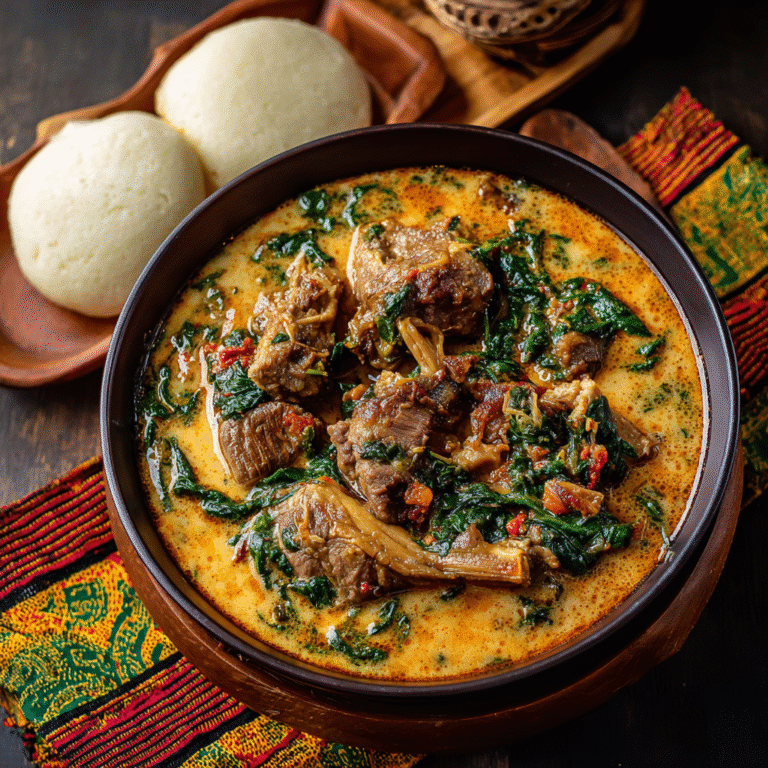
Groundnut Soup (Omi-isagwe) is one of the most treasured traditional soups of the Etsako people. Prepared from carefully roasted and ground peanuts, blended with rich palm oil, native spices, fresh vegetables, fish, bush meat, goat meat, or assorted proteins, this beloved dish represents far more than food—it represents family, hospitality, heritage, and ancestral identity.
For generations, Etsako mothers and grandmothers have prepared groundnut soup for weddings, naming ceremonies, harvest celebrations, festivals, and important family gatherings. The aroma of simmering groundnut soup drifting through the compound is a signal of joy, togetherness, and abundance. In many homes, a large pot of groundnut soup means visitors are welcome and no guest will leave hungry.
The soup's rich, nutty flavor reflects the agricultural traditions of Etsako land, where farming has long been a source of livelihood and pride. Every ingredient tells a story of the people's connection to the soil, rivers, forests, and communal way of life.
More than a meal, Groundnut Soup is a cultural treasure. It nourishes the body while preserving memories, traditions, and the spirit of Etsako hospitality. Served with pounded yam, eba, fufu, or semovita, it remains a favorite dish among elders and youth alike, connecting generations through a shared taste of home.
Among the Etsako people, food is memory, and Groundnut Soup is one of its most cherished expressions.
"When the groundnut soup pot is full, the family table is never empty."
Cultural Significance: Groundnut Soup symbolizes unity, prosperity, generosity, and communal living. It reminds the Etsako people that wealth is not measured by possessions alone, but by the ability to share food, welcome strangers, and preserve the customs handed down by ancestors.
Pounded Yam & Egusi Soup
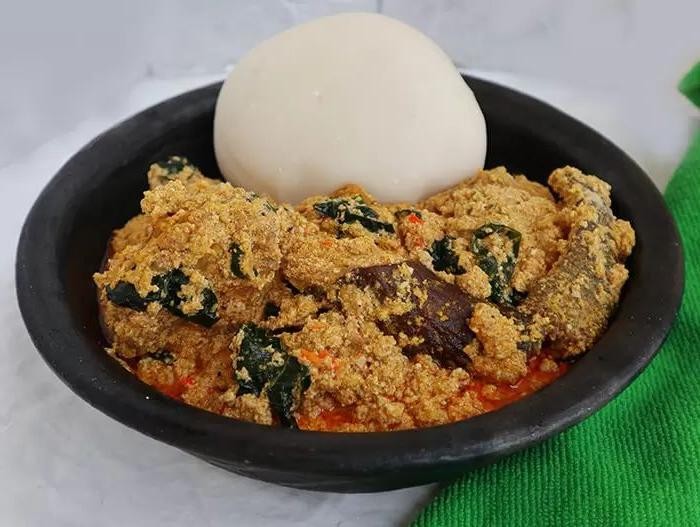
Pounded Yam and Egusi Soup are more than a meal in Etsako land—they are a declaration of home, identity, and love. Among many Etsako men, few sights command greater respect than a steaming bowl of richly prepared Egusi Soup beside smooth, perfectly pounded yam. It is the meal of celebrations, family reunions, ancestral festivals, and moments when the heart longs for the taste of home.
Egusi Soup is a treasured delicacy prepared with rich palm oil, carefully selected native spices, smoked fish, fresh fish, assorted meats, and traditional seasonings that create its distinctive aroma and deep flavor. Its vibrant golden-red appearance reflects the warmth and hospitality of the Etsako people. Every spoonful carries the memory of family compounds, village gatherings, and generations of culinary wisdom.
The pounded yam served alongside it is soft, smooth, and elastic—prepared through patience, strength, and skill. In traditional homes, the quality of the pounded yam speaks of care, dedication, and pride. Together, the yam and soup create a perfect harmony that has satisfied generations of Etsako families.
It is often said that Egusi Soup speaks directly to the heart of an Etsako man. A well-prepared bowl is remembered long after the meal is finished. Mothers pass down their recipes to daughters, and many elders jokingly say that a woman who masters the art of preparing Egusi Soup has already won half the battle for her husband's affection. The saying reflects not merely romance, but the deep cultural value placed on hospitality, care, and the ability to nourish family and community.
More than food, Egusi Soup and Pounded Yam symbolize love, prosperity, respect, family unity, and cultural pride. They bring relatives together around one table, welcome visitors with honor, and remind every Etsako person—whether at home or abroad—of the land, traditions, and ancestors from which they came.
To an Etsako man, Egusi Soup and Pounded Yam are not simply eaten; they are experienced, celebrated, and cherished.
"Give an Etsako man a bowl of rich Egusi Soup and smooth pounded yam, and you have given him a taste of home, a memory of his ancestors, and a reason to smile."
Ogbolor Soup

A signature Etsako delicacy known for its stretch and unity symbolism, Ogbolor Soup is one of the most cherished traditional dishes of the Etsako people. Prepared from finely ground ogbolor seeds and enriched with palm oil, crayfish, fresh pepper, native seasonings, smoked fish, dried fish, stockfish, assorted meats, and fresh vegetables, the soup is celebrated for its smooth, glossy, and naturally stretchy texture. Though slimy in appearance, its rich flavor, deep aroma, and satisfying warmth have earned it a special place in Etsako homes and hearts.
Served steaming hot with freshly pounded yam, Ogbolor Soup transforms an ordinary meal into a cultural experience. The smoky taste of dried fish, the savory depth of crayfish, and the carefully balanced blend of traditional spices create layers of flavor that linger long after the meal is finished. Every ingredient contributes to a harmony that reflects the values of family, hospitality, and togetherness.
In Etsako culture, the soup's famous stretch is more than a culinary characteristic—it symbolizes the unbreakable bonds that connect families, communities, and generations. Just as the soup stretches without breaking, the Etsako people celebrate unity, resilience, and the enduring strength of kinship.
Often prepared for family gatherings, festivals, weddings, and important celebrations, Ogbolor Soup is regarded as a dish of honor and abundance. It is the kind of meal that brings relatives to the same table, sparks laughter and storytelling, and reminds people of the comfort of home. For many Etsako sons and daughters, the sight of a bowl of rich Ogbolor Soup beside smooth pounded yam awakens memories of childhood, ancestral traditions, and the love found within the family compound.
More than food, Ogbolor Soup is a taste of Etsako identity—a culinary treasure that nourishes the body, strengthens community, and preserves the heritage of the people.
Akamu & Akara

A sacred breakfast combination eaten across generations, Akamu and Akara hold a special place in the culinary heritage of the Etsako people. Known as the breakfast of comfort, nourishment, and community, this beloved pairing has welcomed countless mornings in homes, family compounds, village squares, and marketplaces throughout Etsako land.
Akamu, a smooth fermented corn porridge prepared from carefully soaked and milled maize, is cherished for its rich aroma, creamy texture, and comforting warmth. Slowly cooked to perfection, it is often enjoyed hot and can be served plain or lightly sweetened. Its gentle flavor and nourishing qualities have made it a favorite breakfast for children, adults, elders, and nursing mothers for generations.
Beside it sits Akara, golden-brown balls of finely ground beans seasoned with pepper, onions, and traditional spices before being skillfully fried until crisp on the outside and soft within. The aroma of freshly fried akara drifting through the morning air is a familiar and cherished experience in many Etsako communities. Each bite delivers a satisfying combination of crunch, flavor, and warmth that perfectly complements the softness of Akamu.
Together, Akamu and Akara create one of the most beloved breakfast traditions of the Etsako people. The smoothness of the warm pap balances the rich texture of the bean cakes, producing a meal that is both simple and deeply satisfying. It is a breakfast that fuels farmers before sunrise, welcomes guests with hospitality, and gathers families around the table before the day's work begins.
More than a meal, Akamu and Akara symbolize care, family, and continuity. Mothers pass the recipes to daughters, vendors perfect the craft over decades, and each generation inherits the familiar taste that connects them to home. For many Etsako people, the sight of steaming Akamu and freshly prepared Akara brings memories of childhood mornings, family conversations, and the enduring warmth of community life.
In Etsako culture, Akamu and Akara are not merely breakfast—they are a daily celebration of tradition, nourishment, and the simple joys of home.
Bitter Leaf (Olubu)
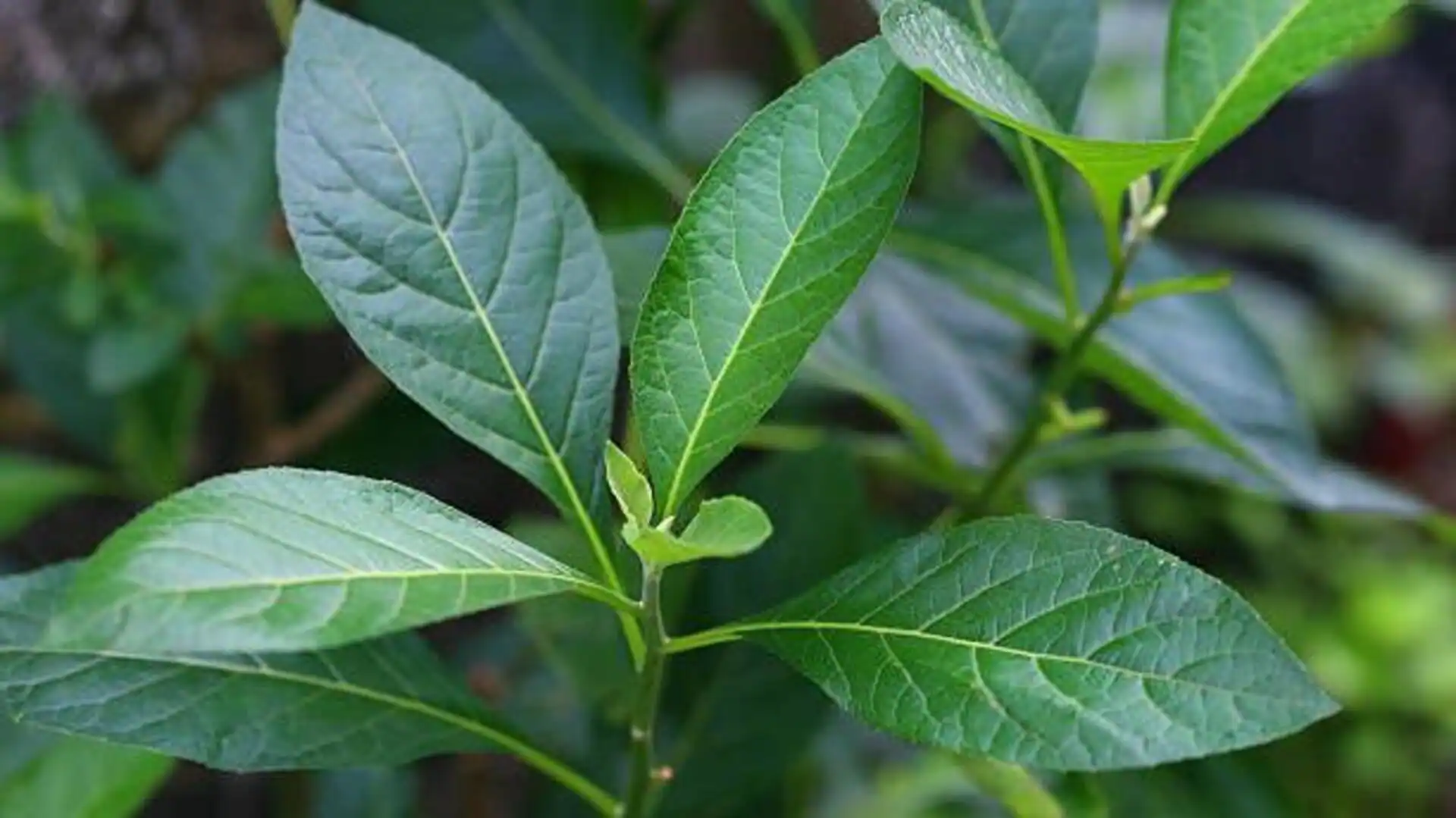
A healing plant used for medicine and traditional soups, Bitter Leaf is one of the most valued vegetables in Etsako culture. Known for its distinctive taste and remarkable health benefits, this treasured leaf has nourished Etsako families for generations and remains an essential ingredient in many traditional dishes. Though naturally bitter when freshly harvested, careful washing and preparation reveal its rich flavor while preserving its nutritional and medicinal qualities.
Used in soups prepared for family gatherings, celebrations, and everyday meals, Bitter Leaf adds depth, character, and natural goodness to Etsako cuisine. Combined with fish, meat, crayfish, palm oil, and native spices, it transforms ordinary meals into nourishing dishes rich in flavor and cultural significance. Its presence in the cooking pot is often regarded as a sign of wholesome food and traditional wisdom.
Beyond the kitchen, Bitter Leaf has long been respected for its medicinal properties. For generations, Etsako elders have valued the plant as a natural source of wellness, believing it supports digestion, promotes healthy blood circulation, strengthens the body, and contributes to overall well-being. Rich in vitamins, minerals, antioxidants, and plant nutrients, it is considered one of nature's gifts for maintaining good health and vitality.
The plant also symbolizes the wisdom of traditional living. Its journey from bitterness to nourishment reflects an important lesson found throughout African culture: that valuable things often require patience, preparation, and understanding before their true benefits can be appreciated. This belief has helped make Bitter Leaf not only a food source but also a cultural symbol of resilience, healing, and transformation.
Among the Etsako people, Bitter Leaf is more than a vegetable—it is medicine from the earth, nourishment from nature, and a cherished ingredient that connects food, health, and tradition. Its leaves continue to enrich both the cooking pot and the lives of the people who have treasured it for generations.
Ẹdọn (Termites)

A seasonal delicacy hunted at night and cherished for its sweetness, Termites have long been a treasured traditional food among the Etsako people. During the rainy season, families and children gather after dusk around termite mounds, patiently waiting for the winged termites to emerge from their earthen castles. These towering mounds, scattered across the countryside, become places of excitement and harvest as the insects rise into the night sky and are carefully collected for food.
Far from being merely an insect, termites are regarded as a valuable natural delicacy rich in protein, healthy fats, minerals, and essential nutrients. For generations, they have served as a traditional source of nourishment, providing energy and strength to both young and old. Their nutritional value has made them one of nature's most remarkable gifts to rural communities.
One of the most unique qualities of termites is that they require no cooking oil. Once cleaned, they are gently roasted or fried in a dry pot, releasing their own natural oils. As they cook, they become golden, aromatic, and delightfully crisp. The natural oils create a rich flavor that many describe as buttery, nutty, and surprisingly sweet. Their crunchy texture and savory taste make them a favorite seasonal treat eagerly anticipated each year.
The harvesting of termites is also a cultural experience that brings families and communities together. Children learn traditional gathering methods from elders, stories are shared beneath the evening sky, and generations bond over a practice that has been passed down for centuries. What begins as a night hunt often becomes a celebration of community, tradition, and the abundance of nature.
Among the Etsako people, termites are more than food—they are a seasonal treasure, a natural source of nourishment, and a reminder of the deep relationship between the people and the land. Their sweetness, richness, and nutritional value have earned them a cherished place in Etsako culinary heritage.
Etsako White Garri
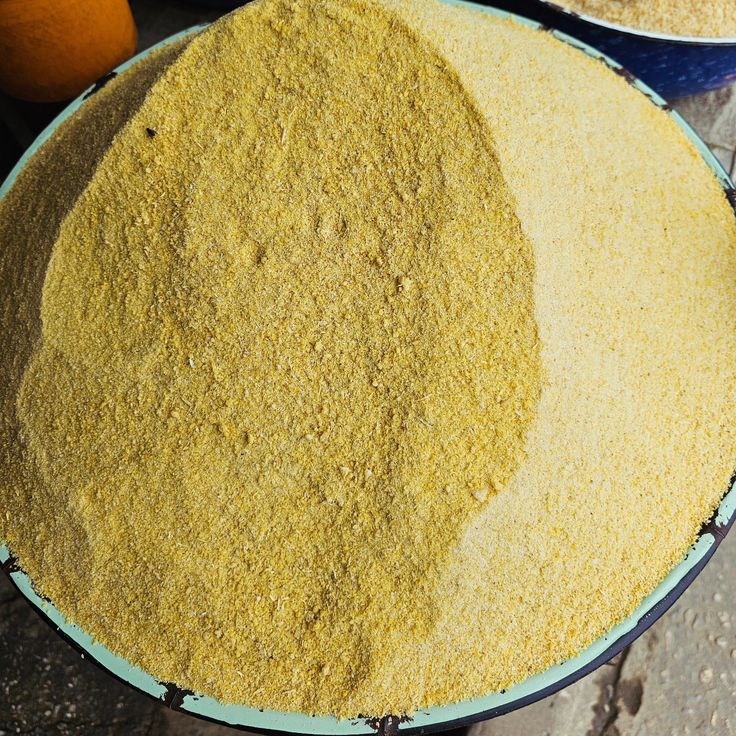
White Etsako garri is a cherished daily staple, made from carefully processed cassava that is peeled, grated, fermented, and fried until it becomes fine, dry, and beautifully pale in colour. It is then sieved to achieve a smooth, clean texture that reflects both patience and tradition in its preparation. Across Etsako communities, it is more than just food—it is a symbol of resilience and simplicity, shaped by generations who relied on cassava as a dependable source of nourishment.
When soaked in cool water, especially after long hours under the hot sun, white garri transforms into a refreshing and satisfying meal that cools the body and restores energy. Its slightly tangy taste and crisp grains soften into a smooth blend, often enjoyed with sugar, groundnuts, milk, or sometimes just plain water. This simple combination carries a deep sense of comfort, making it both a quick relief from hunger and a cultural reminder of shared everyday life.
Pepper Soup
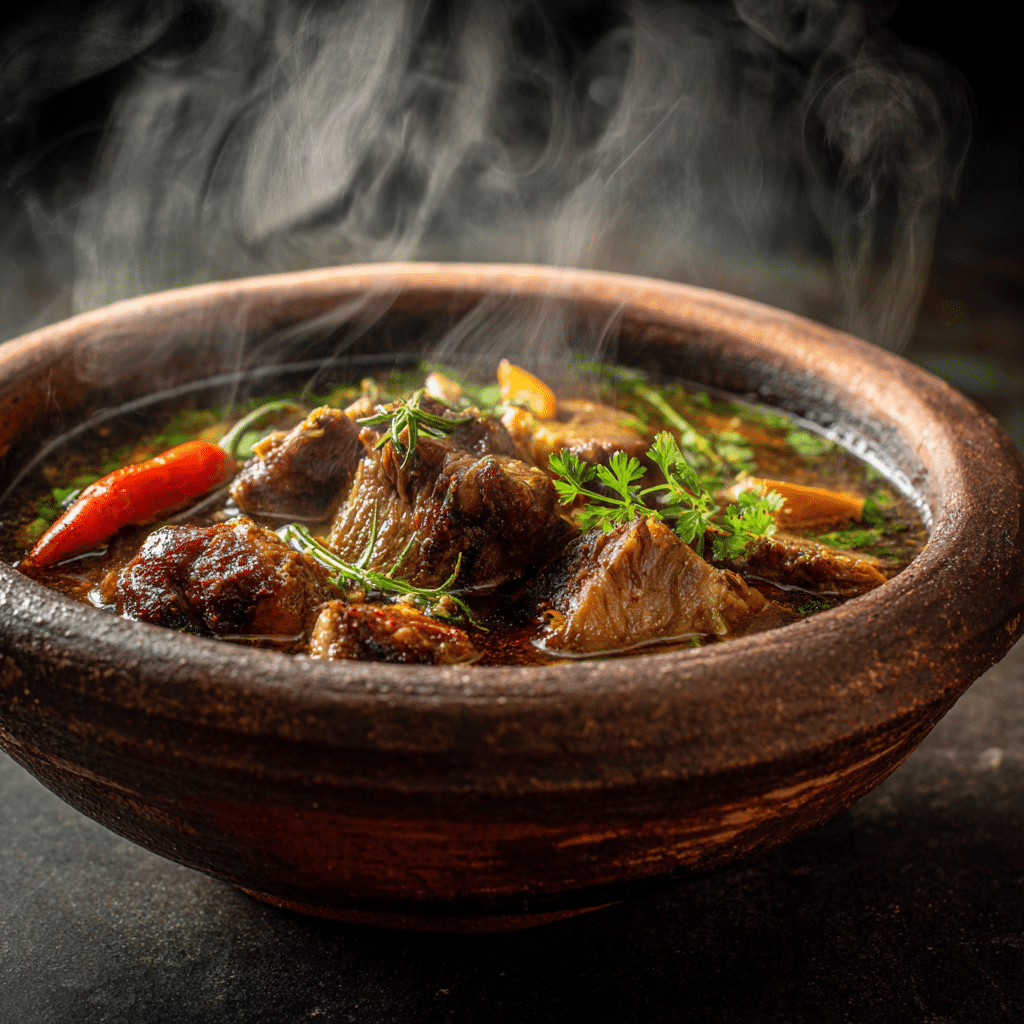
A healing and welcoming soup made with bush meat and native spices... Grasscutter is the main meat used, often combined with goat meat to deepen its richness and flavor. Carefully cooked with local herbs, peppers, and traditional seasonings, this soup reflects the wisdom of natural preparation where nothing is wasted and everything contributes to nourishment. Its aroma, taste, and depth carry the essence of the forest, offering both comfort and cultural pride.
A healing and welcoming soup made with bush meat and native spices... Beyond its rich taste, this soup is valued for its natural healing strength, believed to restore energy and support the body with essential vitamins, proteins, and minerals. The combination of grasscutter and goat meat creates a hearty, nutrient-dense meal that warms the body and revitalizes the spirit. It is often enjoyed during family gatherings and special occasions, symbolizing health, abundance, and the natural power of traditional food.
Ugba (Locust Beans)
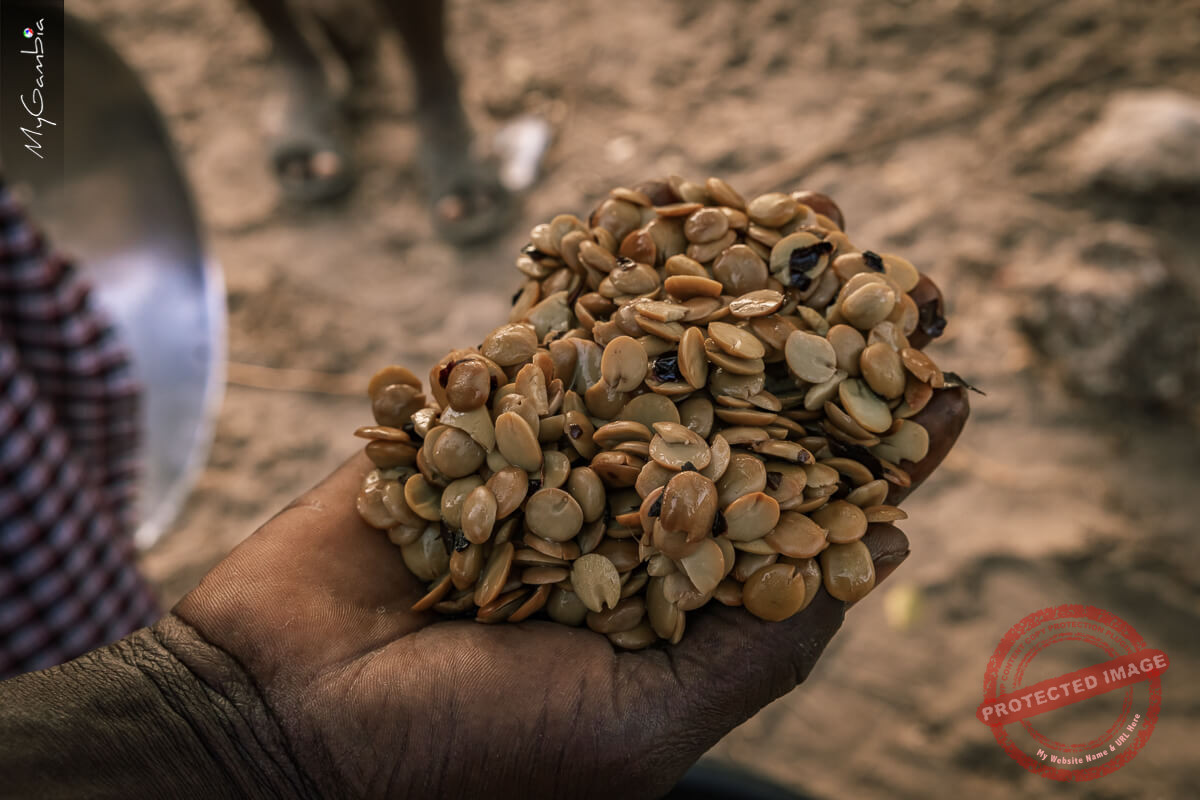
the soul seasoning of Etsako cuisine... is rooted in the deep wisdom of native cooking traditions where flavor is built slowly, naturally, and with intention. It is not based on artificial additives or chemical enhancers, but on time-honored ingredients passed down through generations. At the heart of this seasoning is locust beans (iru), which brings a rich, earthy aroma and umami depth that defines many Etsako dishes. Combined with native herbs, peppers, and natural spices, it creates a distinct taste that connects food to land, culture, and identity.
the soul seasoning of Etsako cuisine... is also a cherished cooking secret taught from mother to daughter, where every young girl learns early how to balance flavors by hand and intuition. It is more than cooking—it is cultural education, where patience, taste, and tradition are carefully passed on. This natural seasoning method ensures meals remain wholesome, nourishing, and full of life, preserving the authenticity of Etsako food for each new generation.
Natural Sugar Cane
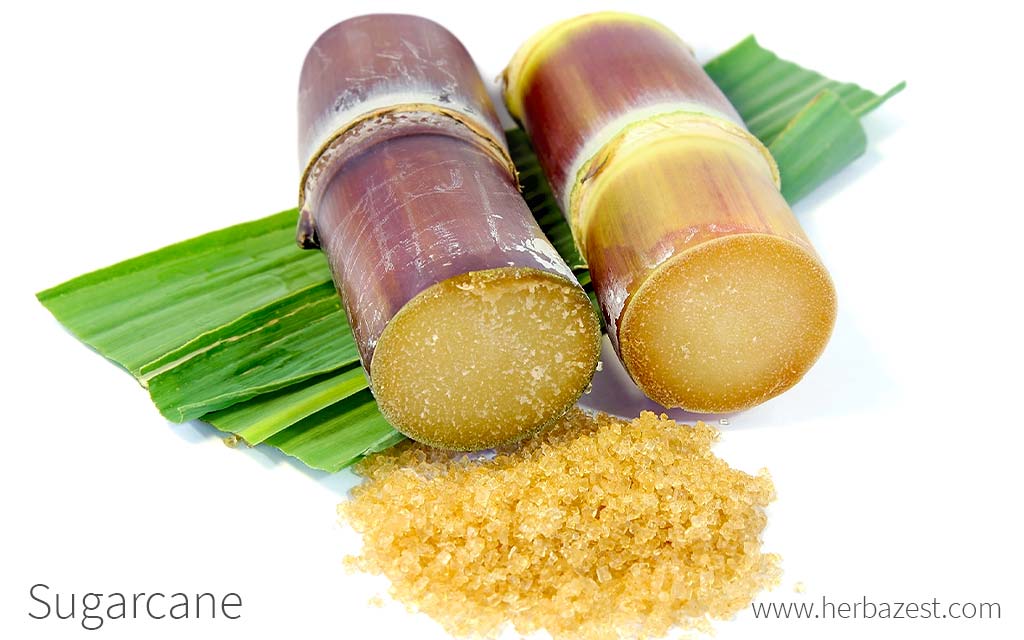
A natural sweet treat enjoyed fresh from the farm... sugar cane is one of nature’s purest gifts, loved for its juicy sweetness and refreshing taste. Harvested straight from fertile fields, it is often peeled and chewed fresh, releasing a clean, natural sugar that energizes the body without any processing or additives. Its crisp texture and flowing juice make it a simple yet powerful reminder of the richness of the land.
A natural sweet treat enjoyed fresh from the farm... beyond its taste, sugar cane represents freshness, vitality, and the beauty of natural living. It grows under the sun, nourished by soil and rain, carrying pure plant energy that refreshes and restores. Often enjoyed by both young and old, it connects people to farm life and seasonal harvests, celebrating nature’s ability to provide sweetness in its most original form.
Palm Wine (Okhoror)

A sacred drink served at ceremonies and ancestral rituals... this natural palm wine is a fresh, organic beverage often referred to as the “melting point” of tradition, used to bring people together in celebration and reflection. It is pure, unprocessed, and naturally fermented, carrying a sweet yet slightly tangy taste that comes directly from the heart of nature. In many Etsako communities, it is valued not just as a drink, but as a symbol of unity, hospitality, and ancestral connection.
A sacred drink served at ceremonies and ancestral rituals... it is carefully tapped from tall palm trees by skilled climbers who make a small incision at the crown of the tree and attach a container to collect the fresh sap. This sap flows naturally and is harvested early in the morning or evening to preserve its freshness. Once collected, it is enjoyed fresh or allowed to ferment slightly, creating a rich, lively drink that reflects the purity of the forest and the wisdom of traditional craftsmanship.