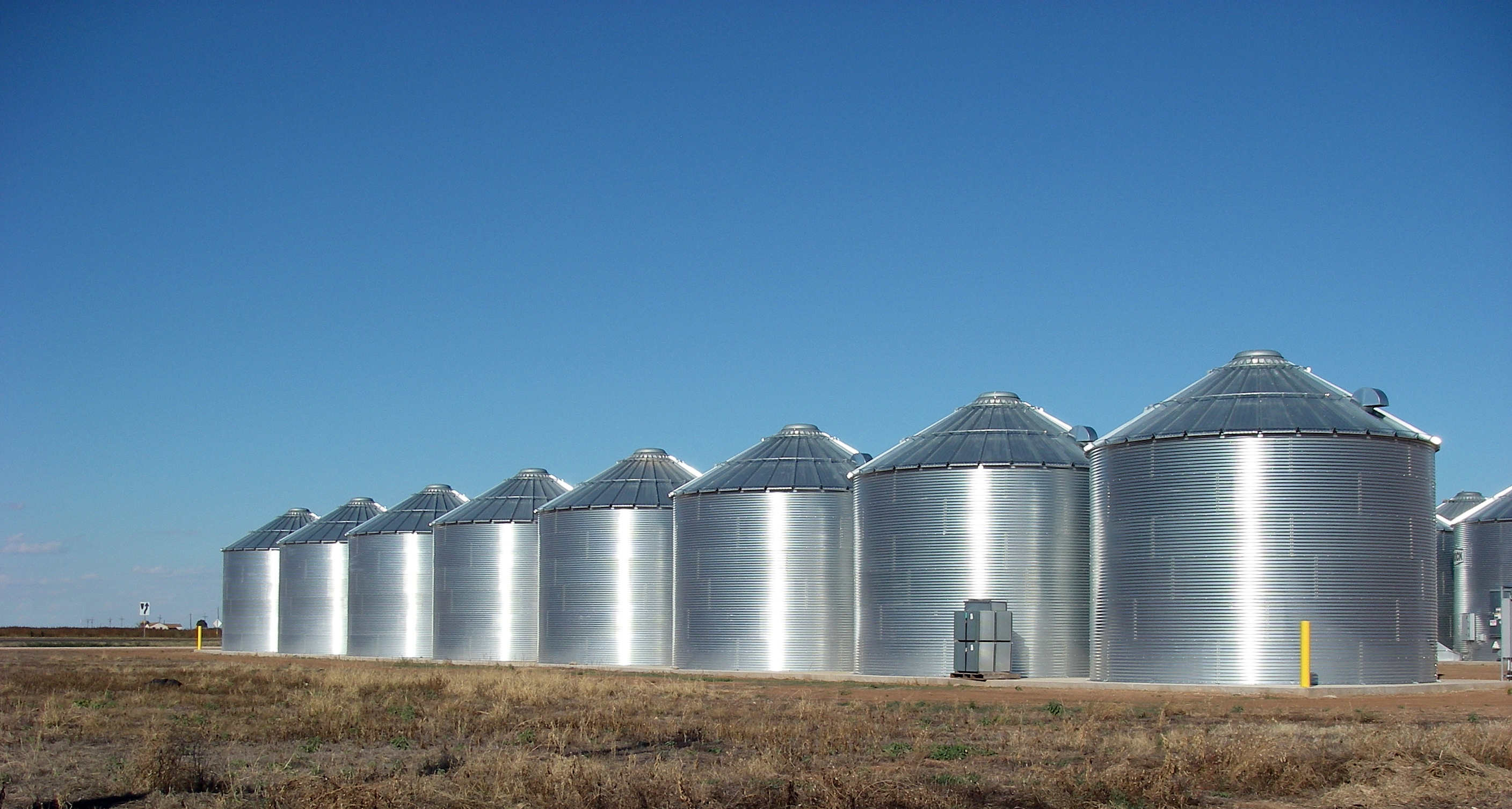
THE ROAD THAT CONNECTS IRAOKHOR
The road is more than a strip of asphalt or earth cutting through the landscape. For Iraokhor, the road is a moving artery of community life.
It carries farmers toward their fields, cassava toward processing points, traders toward markets, workers toward workshops and families toward neighbouring communities.
Every journey along the road represents movement of people, goods, knowledge and opportunity. It connects production to commerce and community to the wider Etsako region.
Vehicles carrying agricultural produce, motorcycles moving between settlements, artisans transporting materials and traders carrying finished goods all become part of one continuous economic network.
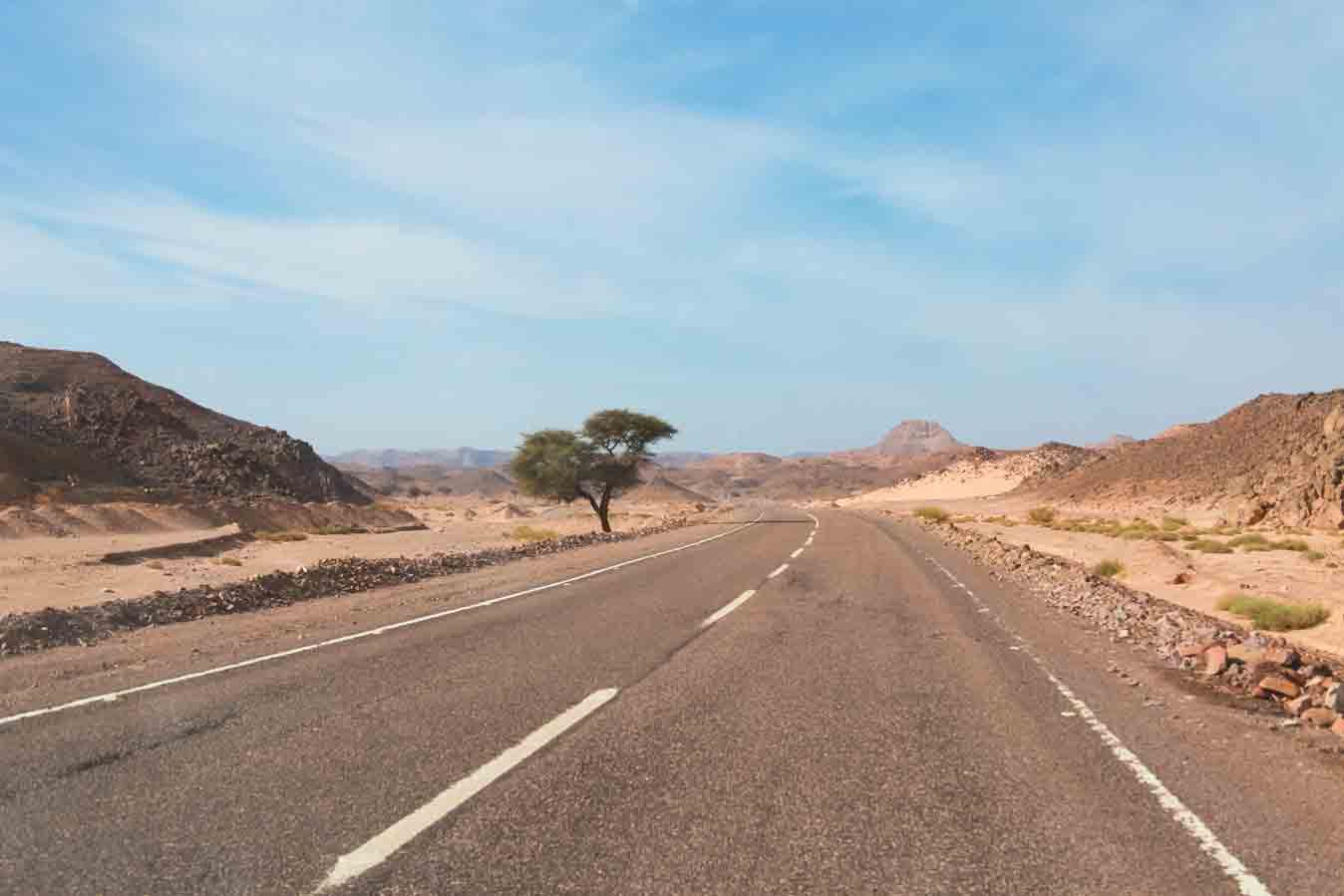
THE COMMUNITY IN MOTION
Roads connect homes, farms, workshops, processing areas and markets.
Agricultural products move from fields toward homes, processing centres and markets.
Local enterprise depends upon movement between producers, artisans and customers.
Families, workers, farmers and traders create the human network carried by the road.
CASSAVA — THE EARTH'S WHITE TREASURE
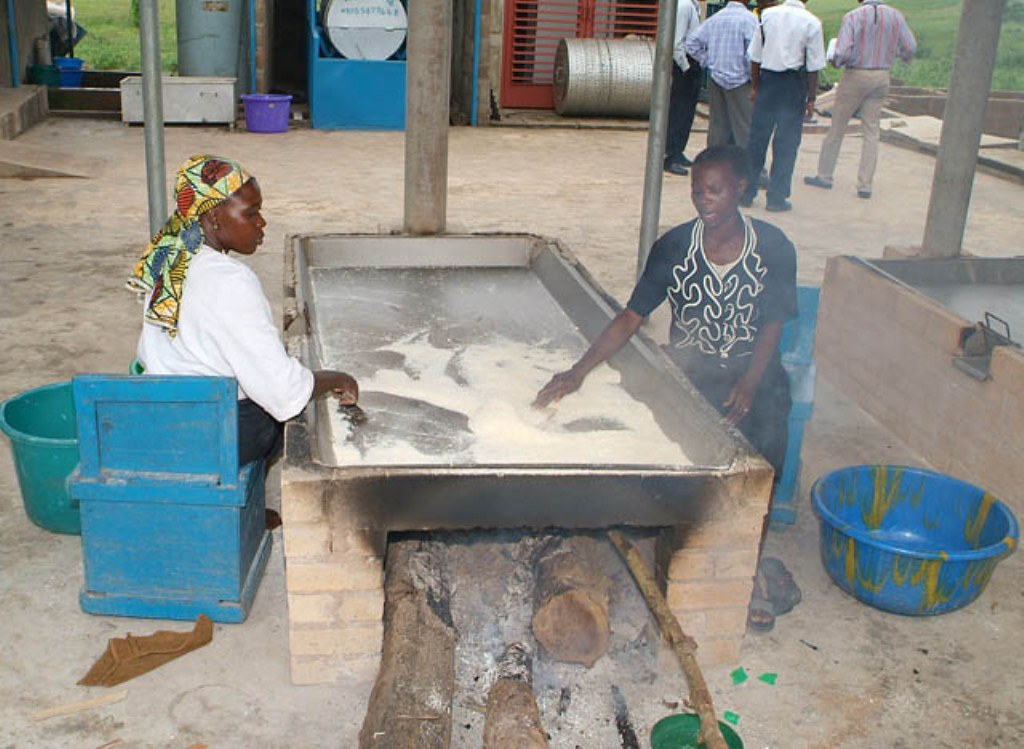
Cassava is deeply connected to agricultural life in Iraokhor. The crop begins beneath the soil, where farmers cultivate the land through patience, labour and knowledge.
From planting to harvesting, cassava requires attention to seasons, soil, cultivation and timing. The harvest then becomes the beginning of another process: peeling, washing, grating, pressing, drying and transforming the crop into products used by households and markets.
Garri, cassava flour and other cassava-based foods connect farming with processing, household consumption and commerce.
The cassava economy also creates work. Farmers cultivate the roots. Processors transform them. Traders move them. Families consume them. Every stage connects one part of community life to another.
The crop therefore represents much more than agriculture. It is knowledge, labour, food security, enterprise and continuity.
CULTIVATION
Farmers prepare the earth, plant, maintain and harvest cassava according to local agricultural knowledge.
HARVEST
Mature roots are lifted from the soil, collected and prepared for processing.
PROCESSING
Cassava moves through a chain of peeling, washing, grating, pressing and drying.
GARRI
Processing can transform cassava into garri, an important food product across many Nigerian communities.
HOUSEHOLD
Cassava products enter household kitchens and become part of everyday meals.
TRADE
Surplus agricultural products can move through local markets and regional trading networks.
THE PEOPLE WHO LEARN TO BUILD
Iraokhor is not defined only by farming. The community also carries a culture of practical skills.
Metalwork, welding, fabrication, repair, construction and mechanical skills create another layer of community enterprise.
Young people can learn by watching, assisting, practising and eventually mastering the techniques of experienced craftspeople.
A workshop becomes a classroom without walls. Steel becomes material for gates, frames, machines, tools, agricultural equipment and structures.
Skills therefore travel from one generation to another. The master teaches the learner. The learner becomes the next master. Knowledge remains alive because people continue to practise it.
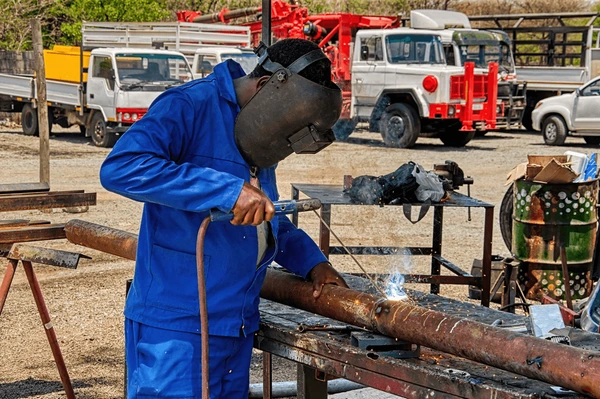
MANY SKILLS — ONE COMMUNITY
WELDING
Joining and shaping metal for practical structures and equipment.
FABRICATION
Turning raw materials into useful structures and functional objects.
REPAIR
Maintaining tools, machinery, vehicles and everyday equipment.
CONSTRUCTION
Practical building knowledge supports homes, businesses and infrastructure.
AGRICULTURE
Farming knowledge connects people directly to the land.
PROCESSING
Agricultural products are transformed into useful food and commercial goods.
TRADING
Buying, selling and distribution connect producers with wider markets.
APPRENTICESHIP
Experience is passed through observation, practice and repeated work.
THE PEOPLE ARE THE SYSTEM
FARMERS
Farmers work with the land, seasons and crops, creating the agricultural foundation from which food and commerce grow.
PROCESSORS
Processing turns agricultural harvests into products that can feed households and enter markets.
ARTISANS
Craftspeople use practical knowledge to transform metal and other materials into useful objects and infrastructure.
APPRENTICES
New learners represent the future of technical knowledge, receiving skills through practice and experience.
TRADERS
Traders connect production with consumers, carrying agricultural and manufactured goods into wider economic networks.
FAMILIES
Families provide the human continuity through which knowledge, work, responsibility and community memory move between generations.
IRAOKHOR
Roads connect the people. The soil feeds the people. Cassava carries the harvest. Craft creates useful things. Trade moves opportunity. Skills move from one generation to another. Iraokhor continues through the people who cultivate, build, learn, teach, trade and carry the community forward.