Traditional Male Attire
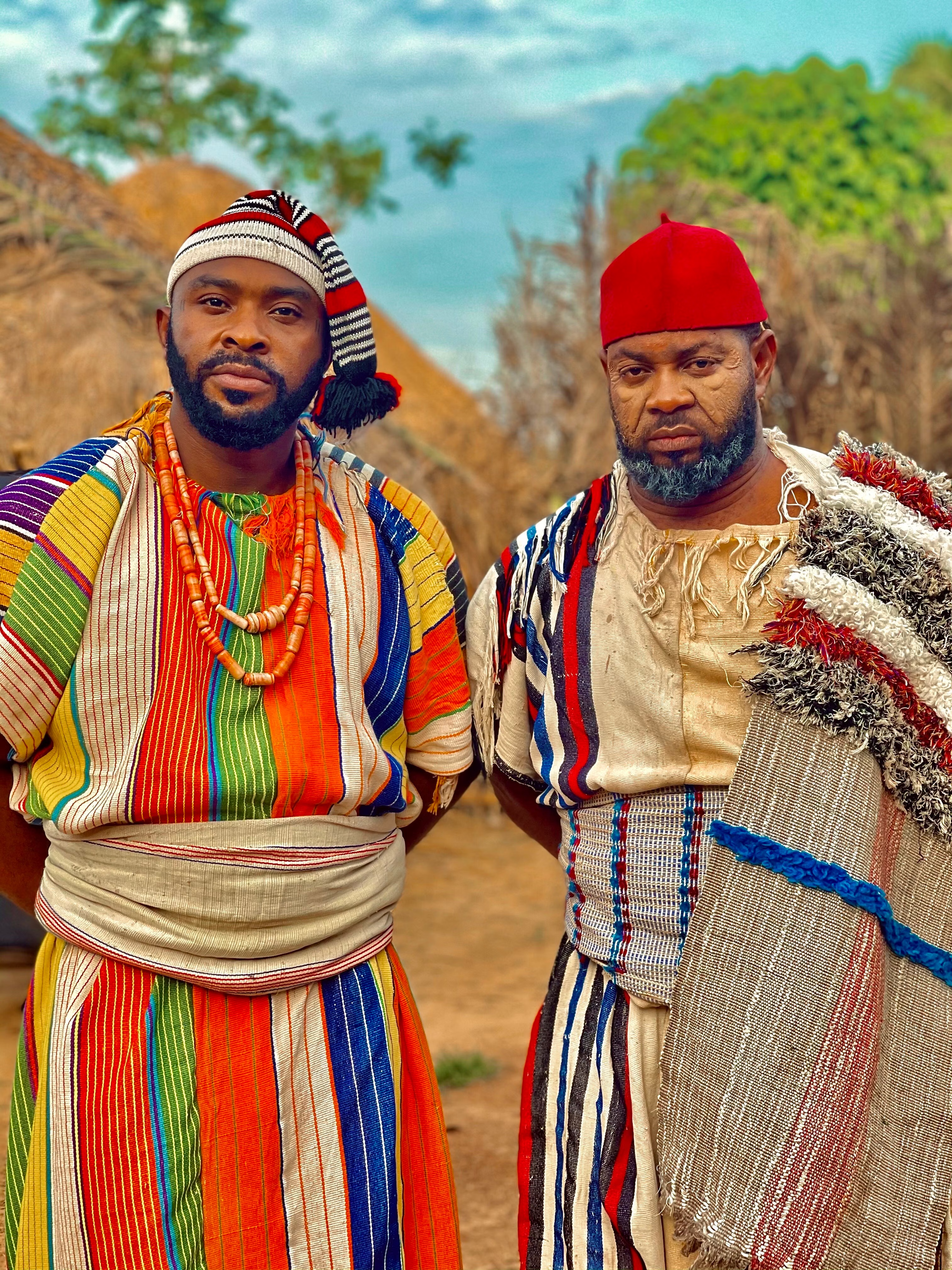
To the Etsako man, traditional dressing is not fashion—it is origin, identity, and responsibility woven into cloth. It carries the memory of the first ancestors who stood firm in courage, community protection, and respect for truth. Every fabric, bead, and pattern reflects a lineage that has survived through generations, reminding the wearer that he is a continuation of a living story, not just an individual. To dress well is to stand as a visible link between the past and the present, honoring those who came before.
During festivals, weddings, initiations, and community gatherings, this attire becomes a powerful declaration of belonging and pride. When an Etsako man steps out in full traditional regalia, he does not simply appear—he represents. He carries the voice of his ancestors, the unity of his people, and the strength of his heritage. It is a silent language of honor, leadership, and cultural dignity, showing that the Etsako spirit remains strong, rooted, and unbroken across time.
Traditional Female Attire
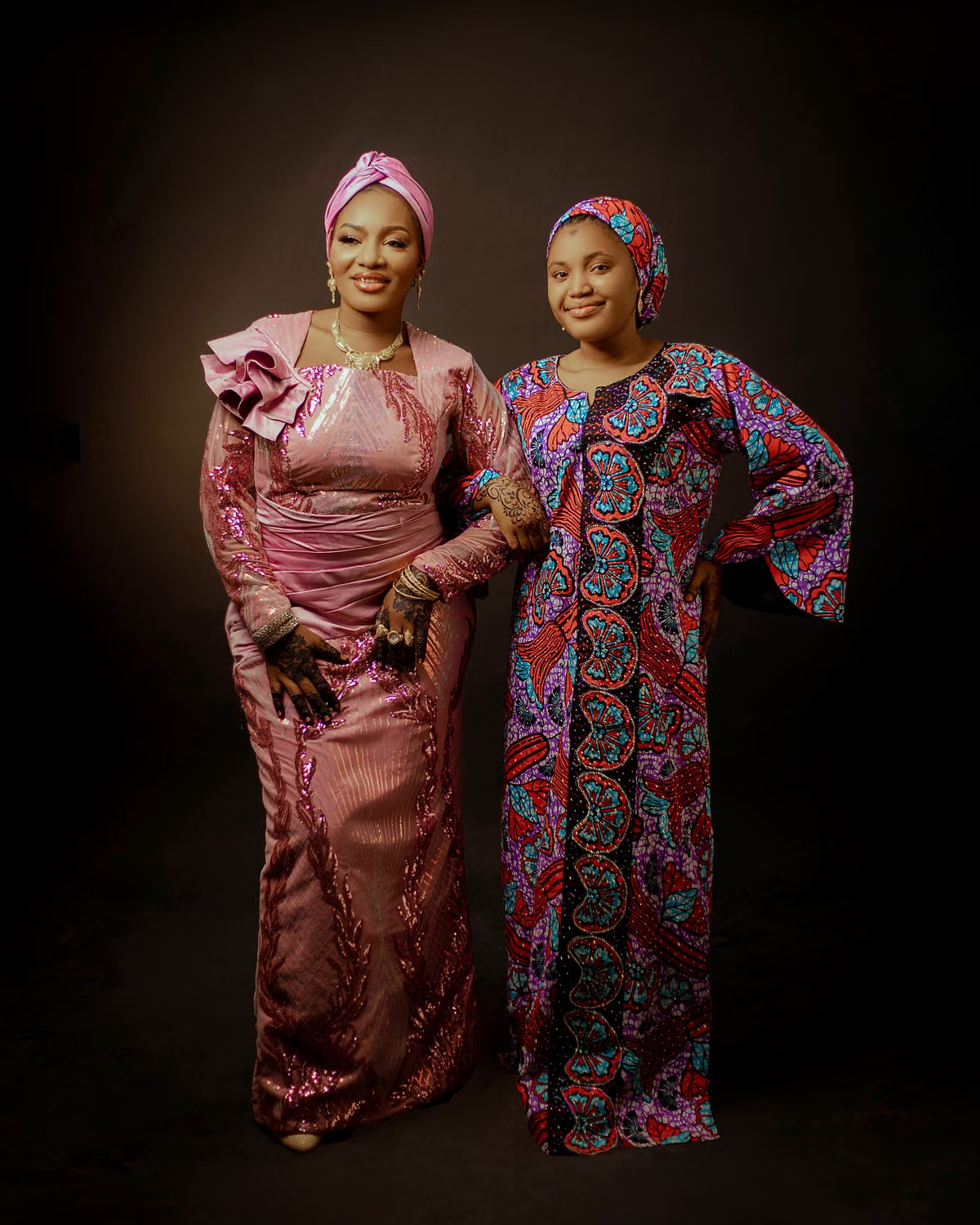
Women express elegance, grace, and ancestral beauty through vibrant wrappers, shimmering beads, and majestic headwraps that crown their presence with cultural pride. These are not just clothing choices—they are identity woven into fabric, reflecting generations of tradition, dignity, and womanhood rooted in the soil of Etsako heritage.
Each design carries stories of lineage, heritage, and deep cultural identity, where every fold of cloth and every bead pattern speaks of strength passed from mother to daughter. The artistry in Etsako women’s clothing reflects a living history—one that honors fertility, resilience, and community balance. It is through these garments that the Etsako woman stands as a guardian of culture, a bearer of beauty, and a symbol of enduring ancestral pride.
The Ancestral Insignia of Etsako
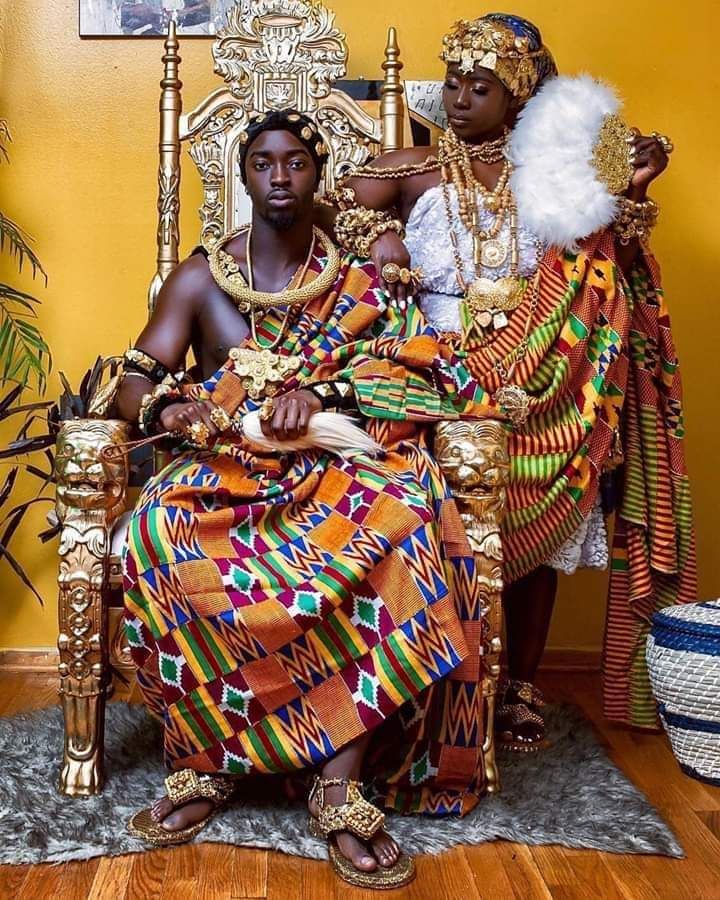
Among the Etsako people of northern Edo, the adornment of kings, queens, and titled chiefs is not mere decoration—it is “the ancestral breath made visible upon the body of authority.” These sacred items, known as the Ancestral Insignia, carry the weight of lineage, memory, and divine mandate. Every coral bead, every carved emblem, every woven cloth speaks in the language of the ancestors.
The symbolism is profound. Coral beads burn with the glow of ancestral fire, marking the unbroken chain of rulership. The king’s wrapper represents territory and dominion, while the queen’s sculpted headpiece embodies continuity, fertility, and the sacred feminine force that steadies the palace. The staff of office stands as “the walking voice of the kingdom,” a reminder that leadership is service, not display.
The king’s full insignia begins with layered ivie coral—heavy, ancient, and resonant with authority. His wrapper flows in dignified folds, often woven with motifs that echo the land itself. The ukpesan necklace rests on his chest like a seal of ancestral approval. His crown rises in the traditional northern Edo form, a symbol of divine mandate and the spiritual height of the throne.
The queen’s adornment carries a softer radiance. Her sculpted okuku stands like a flame of royalty. Coral cascades across her shoulders, and her wrapper is chosen to reflect grace, maturity, and the continuity of the royal household. She moves with the quiet power of lineage—the breath that sustains the throne.
Titled chiefs wear insignia that mirrors their rank: embroidered wrappers, layered beads, carved emblems, and sacred motifs that declare their oath to protect tradition. Their attire is a living archive—each piece a chapter of duty, honour, and communal trust.
The origins of these insignia reach deep into ancient northern Edo kingdoms, where rulers wore coral and sacred cloths to mark their bond with the earth, the rivers, and the ancestral spirits. Coral came through early trade routes and was revered as a spiritual stone. The queen’s headpiece emerged from traditions honouring the mother of the lineage. Staffs of office were carved by priests who believed wood could hold ancestral breath.
Thus, the Ancestral Insignia of One Etsako is not fashion. It is identity, sovereignty, and memory woven into form. It is the throne speaking without words.
Youth & Modern Style
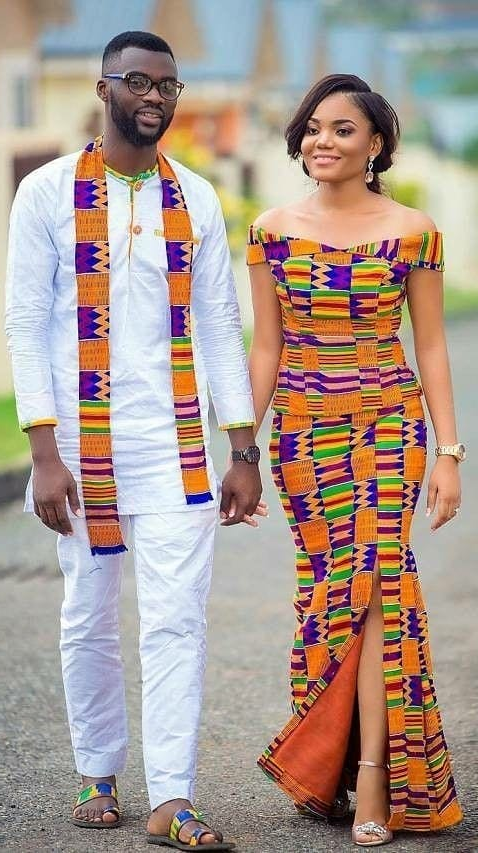
Among the youth of Etsako, I witness a generation rising with a spirit that carries both the pulse of our ancestors and the boldness of the present. Our young men and young women step forward with a confidence shaped by lineage, by memory, and by the quiet strength of the land that formed us. Their expressions are not random choices; they are living statements of who we are and who we are becoming.
Even in their modern interpretations, the touch of tradition remains unmistakable. Through enhanced yet simplified traditional attire, they reveal that our culture is not fading—it is breathing, adapting, and moving with them. Every cloth, every bead, every pattern they choose carries the echo of home, the reminder that heritage is not behind us but within us.
I see in them the bridge between eras. They honour the customs handed down by our elders while shaping a path that will guide those who come after. Their creativity becomes a vessel of continuity, proving that when heritage sits at the center, every step forward becomes a step rooted in pride, purpose, and identity.
Footwear & Movement
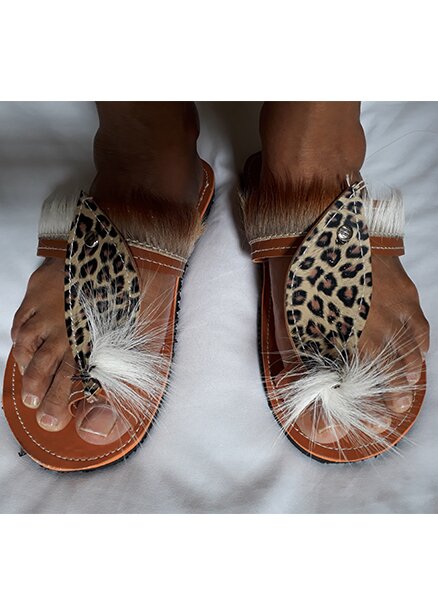
In Etsako culture, footwear carries a weight far beyond appearance. It is not an accessory but an expression of humility, respect, and a sacred connection to the land. Whether worn by young men or young women, the form and simplicity of each pair reveal the values that shape our identity as a people. Footwear becomes a quiet language through which character, upbringing, and cultural grounding are spoken without words.
Traditional Etsako footwear — from firm leather sandals to carefully crafted local soles — stands as a symbol of discipline, groundedness, and ancestral presence. Every step taken in these pieces carries cultural meaning, reminding the wearer that they move upon the paths laid by their forebears. Even when modern styles appear, the essence remains unchanged: footwear must honour heritage while allowing the youth to express an evolving identity that still bows to the wisdom of home.
Caps, Wraps & Ancestral Crowns
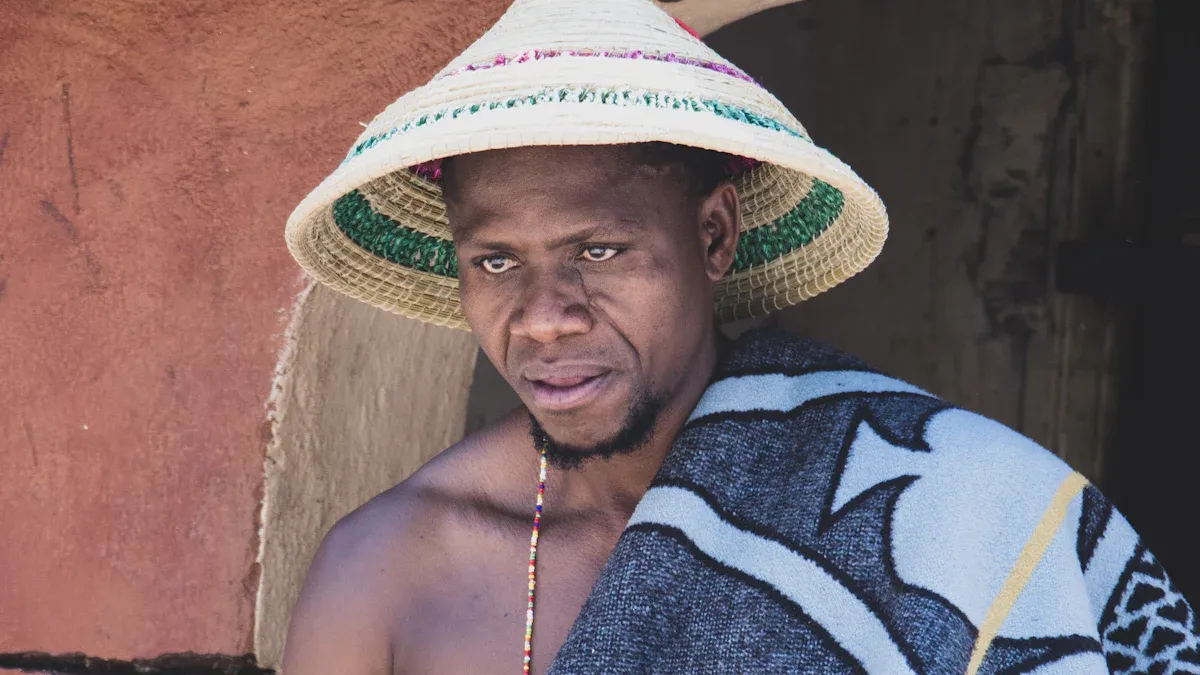
In Etsako culture, caps, wraps, and ancestral crowns carry meanings far deeper than appearance. They stand as expressions of dignity, wisdom, and status, but also as treasured symbols of heritage worn with intention and respect. Each piece reflects age, responsibility, family lineage, achievement, and cultural belonging. A traditional cap or carefully tied wrap becomes a mark of honor, reminding the wearer that they stand within a chain of ancestors whose values continue to guide our people.
These adornments frame identity as crowns of cultural pride, transforming ordinary attire into a living expression of history and tradition. Every fold, every style, every manner of wearing them communicates respect, maturity, celebration, or social standing. During festivals, marriages, title ceremonies, and ancestral gatherings, they rise as visible emblems of Etsako heritage. More than fashion, they serve as crowns of identity, symbols of ancestral wisdom, and declarations of cultural pride, preserving stories and meanings passed from one generation to the next.
Staffs of Authority
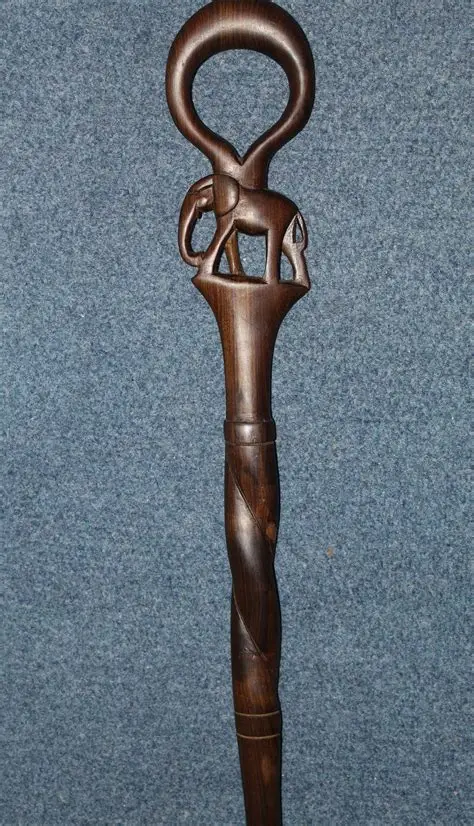
Staffs represent leadership, justice, and ancestral guidance, serving as some of the most respected cultural symbols within Etsako tradition. They are far more than carved pieces of wood; they embody authority, wisdom, and the sacred responsibility of guiding the people. In the hands of elders, chiefs, community leaders, and custodians of tradition, the staff stands as a visible reminder that leadership is a duty of service, fairness, and protection. It symbolizes the enduring connection between the living, the ancestors, and the generations yet to come.
They are carried with honor and deep responsibility, for the staff speaks before its holder utters a word. It represents the authority to settle disputes, preserve customs, uphold truth, and maintain harmony within the community. During cultural ceremonies, festivals, and traditional gatherings, the staff rises as a powerful emblem of legitimacy and respect, reminding all who see it of the values that have sustained Etsako society for generations. It stands as a symbol of justice, a mark of trusted leadership, a guide for community unity, and a sacred link to ancestral wisdom, carrying the weight of heritage with dignity and purpose.
Spiritual Charms
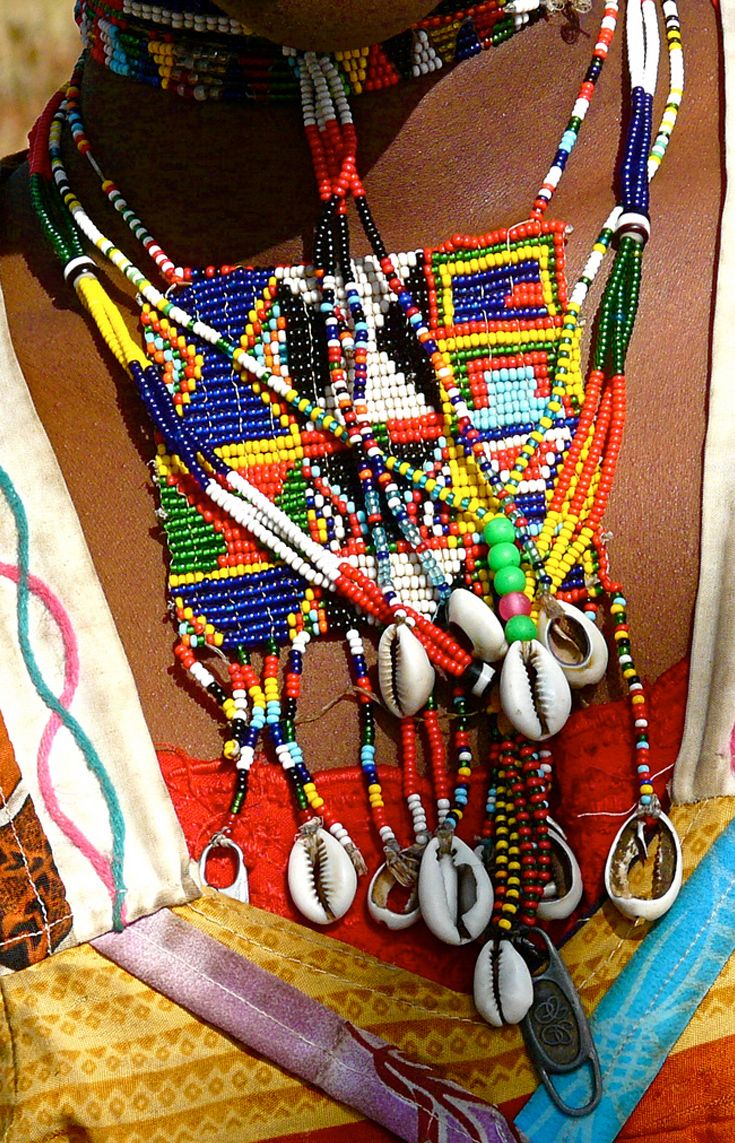
Charms carry protection, lineage, and spiritual meaning within many traditional Etsako cultural practices. Often worn discreetly around the waist or carried close to the body, they are regarded as symbols of ancestral heritage, personal identity, and spiritual connection. Passed down through families or prepared according to traditional customs, these sacred items represent the belief that human life exists in harmony with the land, nature, community, and the wisdom of those who came before. They serve as reminders that success, prosperity, and well-being are strengthened by respect for cultural values and ancestral guidance.
They connect the wearer to unseen ancestral forces and cultural traditions that have endured through generations. In traditional belief, such charms may be worn for protection, good fortune, personal confidence, and spiritual reassurance. Worn around the waist as part of ceremonial or cultural attire, they symbolize a bond between the individual, the earth, and the ancestral legacy of the people. More than ornaments, they are regarded as guardians of heritage, symbols of ancestral blessing, and expressions of faith in the protective power of tradition, carrying deep cultural meaning and respect within the community.
Fans & Elegance
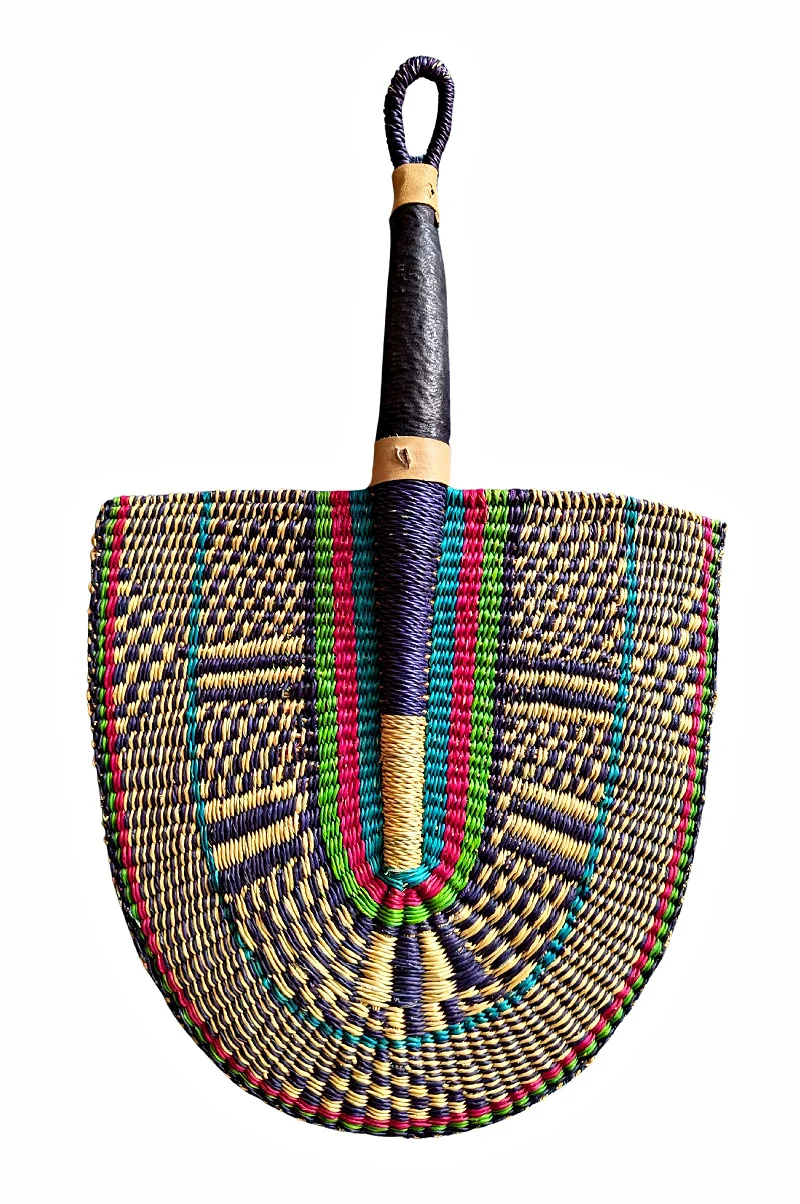
Traditional fans express beauty, grace, and ceremony, holding a cherished place in Etsako culture and traditional attire. More than simple accessories, they are symbols of elegance, dignity, and refined cultural expression. Carried by women during festivals, weddings, dances, and important community gatherings, the fan becomes an extension of presence and character. Its gentle movement reflects confidence, poise, and respect, while its craftsmanship often showcases the artistic creativity and cultural richness of the Etsako people.
They enhance movement and cultural performance, transforming every gesture into a graceful expression of heritage. In traditional dances and ceremonial processions, the fan speaks a silent language of honor, celebration, and beauty, drawing attention to the rhythm and elegance of the performer. Often regarded as a symbol of feminine grace, a mark of cultural sophistication, and a celebration of ancestral artistry, the traditional fan carries meaning far beyond its practical use. It stands as a treasured cultural emblem that brings life, color, and distinction to Etsako ceremonies, reminding each generation that beauty and tradition walk hand in hand.
Body Marks & Identity
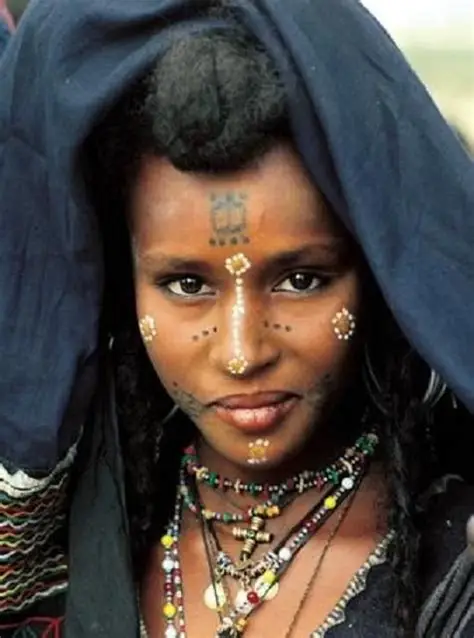
Marks symbolize rites of passage and ancestral identity, carrying deep cultural significance that extends far beyond appearance. Traditionally, they served as visible expressions of family heritage, community belonging, and the enduring bond between an individual and their ancestry. They tell stories of origin, lineage, and identity, preserving memories that connect generations across time. In many respects, these marks were regarded as living signatures of heritage, allowing a person to be recognized not only by name but also by the cultural history they carried upon their body.
They reflect belonging, transformation, and tradition, marking important stages in life and affirming one’s place within the community. Beyond their cultural function, they were often associated with dignity, inner strength, and a hidden beauty that could not be measured by outward adornment alone. They represented a quiet elegance, a sense of identity worn with pride, and an attraction rooted in character, heritage, and cultural esteem. To many elders, these marks stood as symbols of maturity, resilience, and respect, reflecting the belief that true beauty is enriched by history, wisdom, and belonging. They remain powerful reminders of ancestral legacy, cultural continuity, and the values that shaped generations of Etsako people.
Symbols of Ancestral Creatures
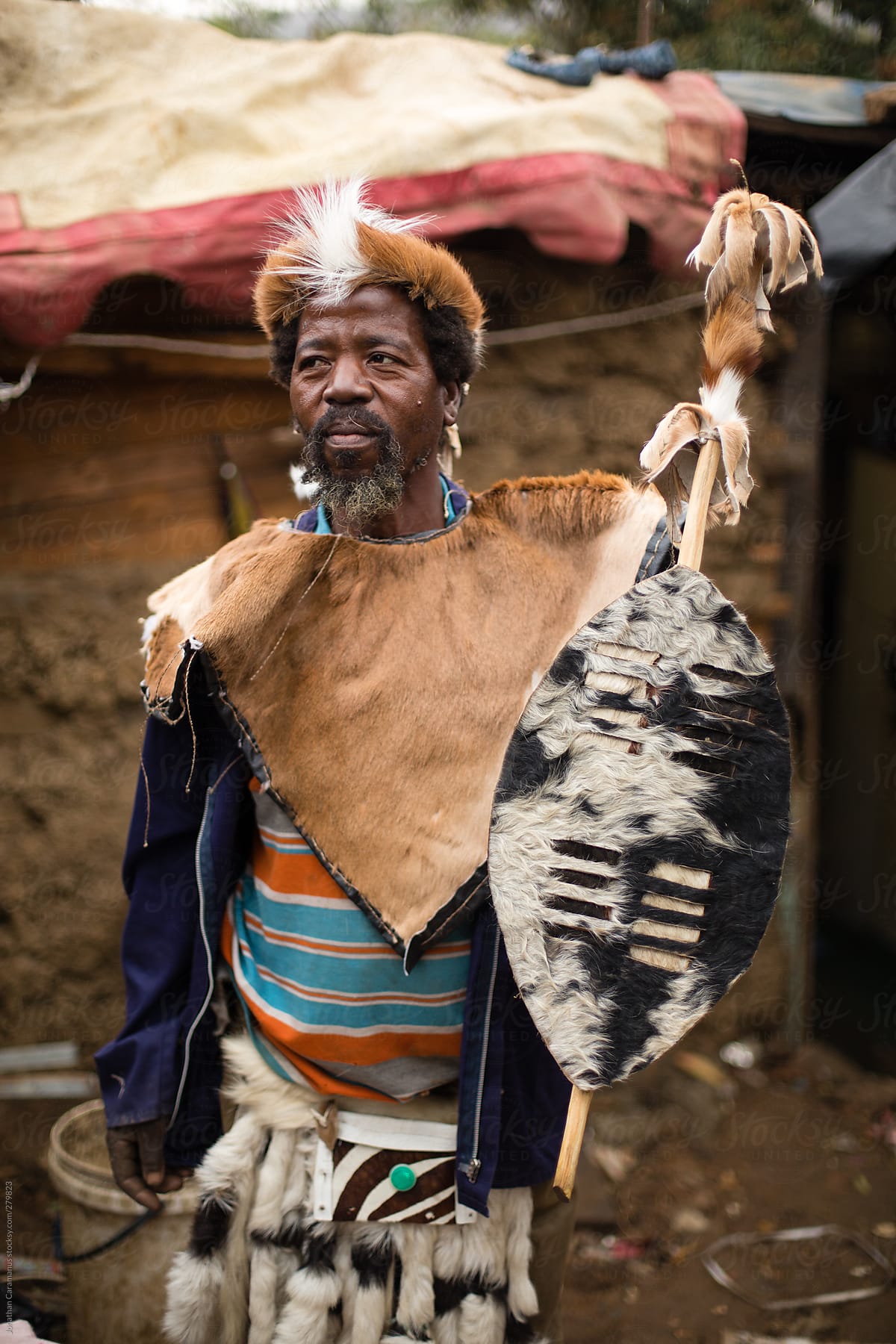
Animal symbols represent courage, wisdom, and spiritual power, making them some of the most meaningful designs woven into traditional Etsako clothing. These symbols are not placed on fabric merely for decoration; they carry messages of character, achievement, and cultural values. Throughout generations, images inspired by powerful animals have been used to honor qualities admired by the community—strength, endurance, leadership, vigilance, and fearlessness. When worn on garments, they transform ordinary cloth into a visual language that speaks of the wearer's identity and the virtues they aspire to uphold.
They turn fabric into storytelling and identity, allowing clothing to communicate without words. Symbols inspired by the lion, leopard, eagle, and other respected creatures evoke images of heroism, resilience, and triumph over adversity. They remind the community of hunters, warriors, protectors, and leaders who faced danger with courage and returned with honor. Such designs proclaim bravery in the face of challenge, strength worthy of respect, and the spirit of a people who endure and overcome. In traditional ceremonies, these patterns rise as powerful cultural statements, celebrating the belief that true greatness comes from courage, wisdom, and service to the community. Through these animal symbols, Etsako clothing becomes a living canvas of heritage, heroism, and ancestral pride.
Coral Beads
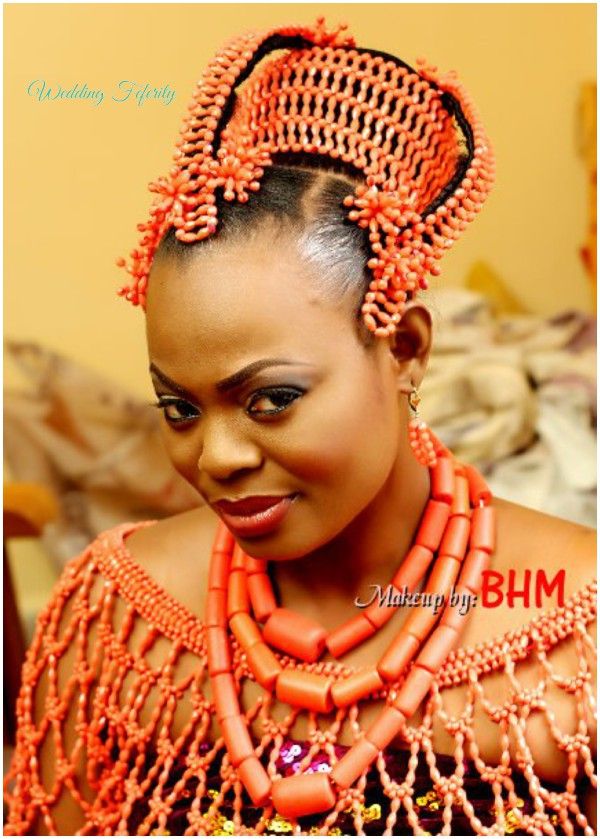
Beads represent wealth, ancestry, and cultural pride, standing among the most treasured symbols in Etsako traditional life. Far more than decorative ornaments, they are living treasures that carry history, status, honor, and identity from one generation to the next. Worn around the neck, wrists, waist, and ankles, beads often accompany important moments such as births, marriages, festivals, chieftaincy ceremonies, and ancestral celebrations. Their colors, patterns, and arrangements can communicate family heritage, social standing, maturity, achievement, and cultural belonging, making them powerful expressions of who a person is and where they come from.
They are worn across generations with deep meaning, preserving stories that words alone cannot tell. In many families, coral beads are cherished heirlooms passed from mothers to daughters and from elders to younger generations, carrying the blessings, memories, and legacy of those who wore them before. They are regarded as symbols of prosperity, markers of dignity and honor, expressions of ancestral continuity, and crowns of cultural identity. During ceremonies, the gentle sound and radiant beauty of coral beads announce presence, confidence, and prestige, while reminding the wearer that they are part of a lineage greater than themselves. Each strand becomes a bridge between past and present, celebrating the beauty, resilience, and enduring pride of the Etsako people.
To many, beads also embody a hidden language of elegance and respect. They signify that culture is not merely remembered—it is worn, displayed, and carried with pride. Every bead tells a story, every strand preserves a memory, and every ornament reflects the belief that true wealth is found not only in material possessions but also in heritage, family, wisdom, and the enduring legacy of one's ancestors. Through beads, the Etsako people transform adornment into history, beauty into identity, and tradition into a living treasure.
Wrist of the Ancestors
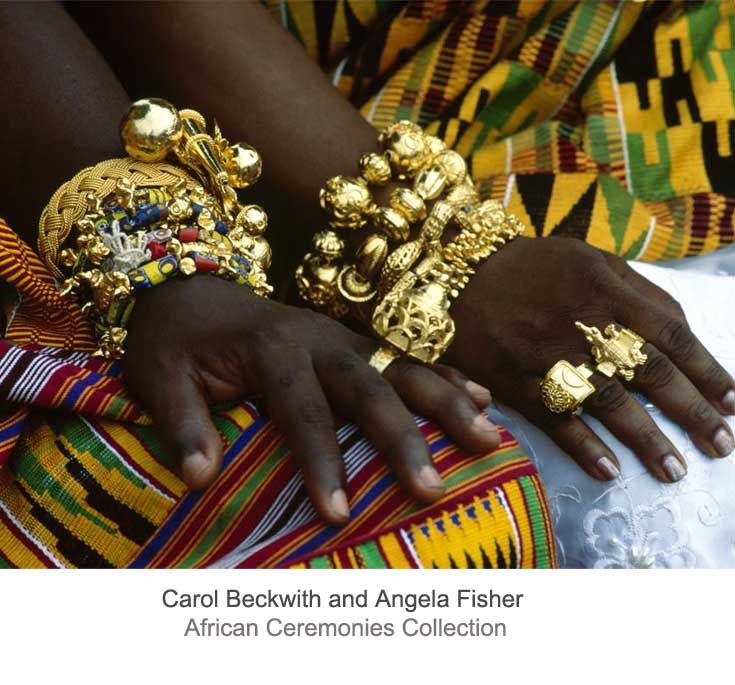
Traditional bangles worn on the wrist and crafted from animal skins, tails, and other natural materials are powerful symbols of heritage, courage, and cultural identity. Rooted in centuries of Etsako tradition, these adornments reflect a deep connection between the people and the natural world that sustains them. They are carefully fashioned from materials earned through skill, patience, and respect for nature, transforming elements of the land into meaningful cultural treasures. Far more than ornaments, they are visible expressions of ancestry, tradition, and belonging.
Throughout generations, these wrist adornments have been worn by hunters, warriors, elders, dancers, and respected members of the community. The use of animal skin or tail carries special significance, representing qualities admired within the culture such as resilience, endurance, alertness, bravery, and determination. When worn on the wrist, they serve as reminders that strength is not merely physical but also rooted in character, discipline, and loyalty to one’s people. They become symbols of courage, marks of achievement, and expressions of cultural pride.
In ceremonies and cultural performances, these traditional bangles bring movement, texture, and authenticity to traditional attire. Their presence completes the ensemble, connecting the wearer to generations who walked the same path before them. Each piece carries a story of the forest, the hunt, the community, and the ancestral values that shaped Etsako society. Passed down and preserved through time, they stand as living links to ancestral heritage, guardians of cultural memory, and honored emblems of identity and tradition.
Cowries
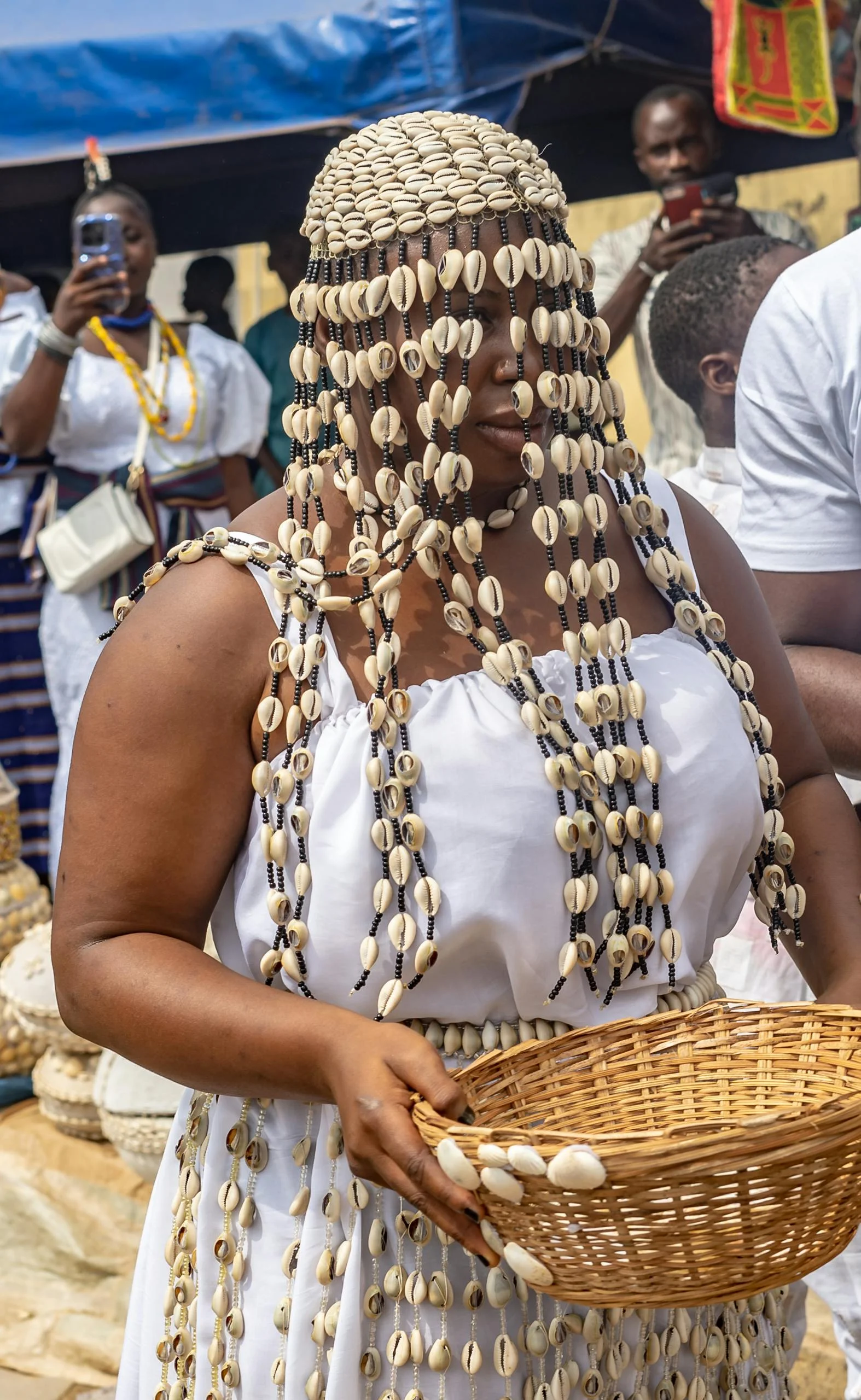
Cowries were currency and spiritual symbols of prosperity, holding a place of honor in African civilization long before the arrival of modern money. For centuries, these treasured shells traveled across kingdoms, trade routes, rivers, and markets, becoming one of the oldest recognized forms of wealth and exchange. Their history stretches back through generations, connecting Etsako people to a wider African story of commerce, diplomacy, craftsmanship, and cultural advancement. To possess cowries was not merely to possess money—it was to hold a symbol of value, influence, and social standing recognized across vast regions of the continent.
They connect economy, ritual, and identity, serving roles far beyond trade and commerce. Cowries adorned royal garments, ceremonial regalia, sacred objects, and family heirlooms, making them powerful symbols of both material and spiritual wealth. Their presence on clothing, crowns, staffs, shrines, and cultural artifacts reflected a belief that prosperity was not measured by riches alone, but by one’s connection to family, community, ancestors, and tradition. For this reason, cowries became symbols of abundance, guardians of prosperity, and emblems of ancestral blessing.
The age and elegance of cowries give them extraordinary cultural significance. They have survived the rise and fall of kingdoms, the transformation of economies, and the passage of countless generations. Today, when cowries appear in Etsako traditional attire, they serve as living reminders of an ancient heritage that predates modern currencies and colonial influence. They proclaim a history of trade, achievement, and cultural sophistication that has endured through time.
More than decorative shells, cowries are often regarded as the wealth of the ancestors, the currency of history, and the ornaments of legacy. Every cowrie sewn onto a garment or displayed during a ceremony carries echoes of ancient markets, royal courts, family traditions, and spiritual practices. They transform clothing into history, adornment into memory, and tradition into a visible celebration of the enduring greatness, wisdom, and prosperity of the Etsako people.